
film campus innsbruck 2019
09 - 15 september 2019
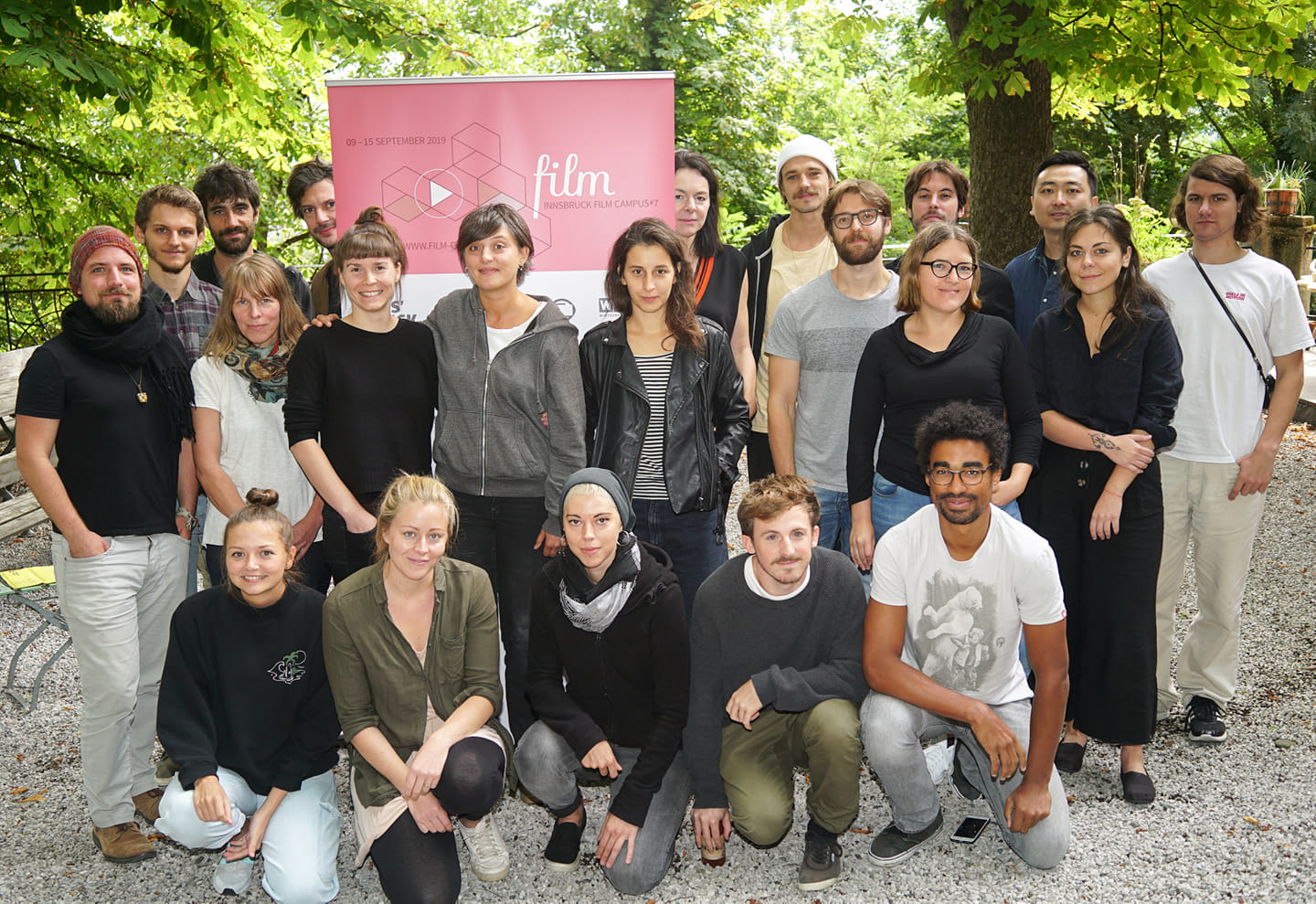
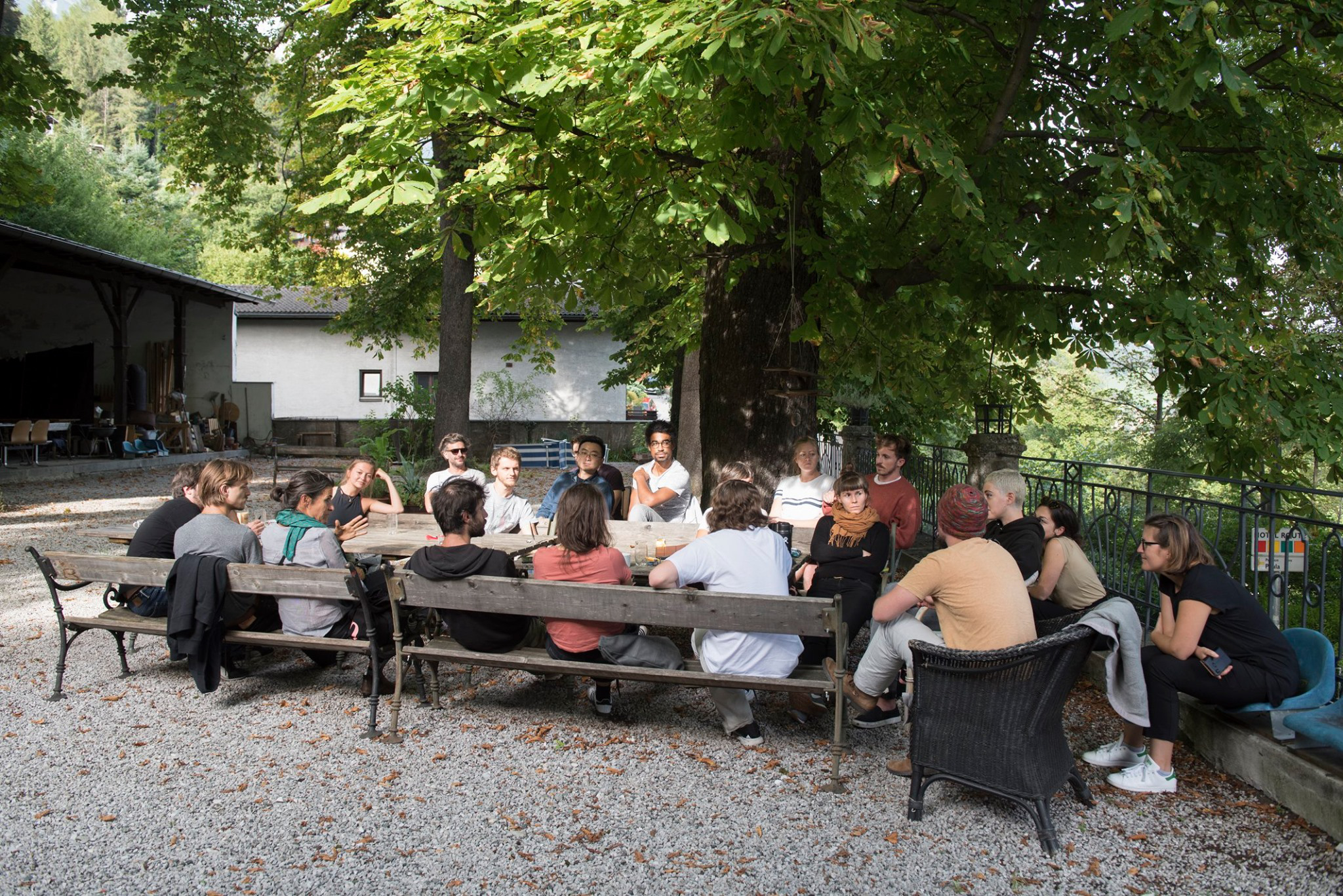
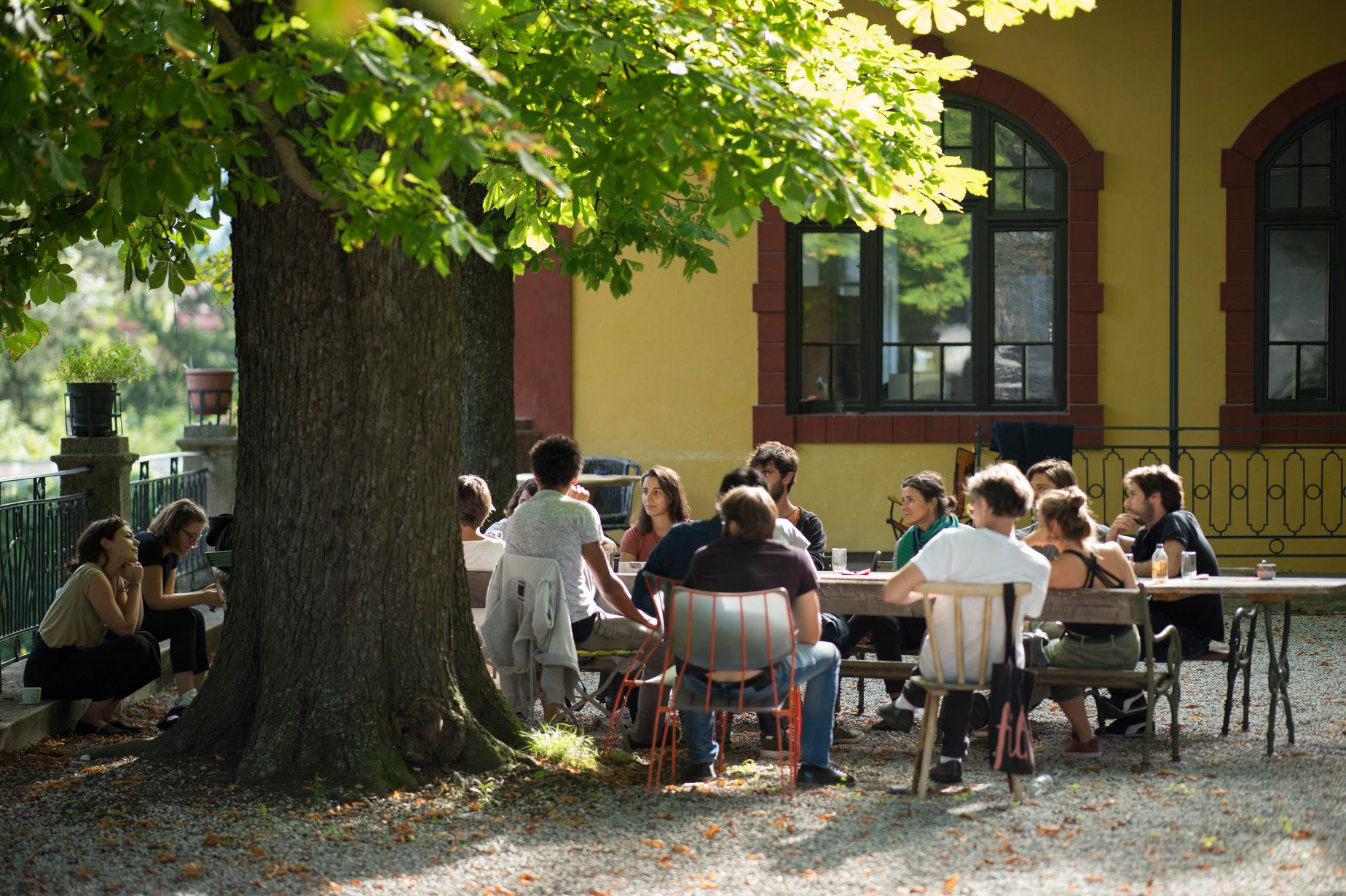
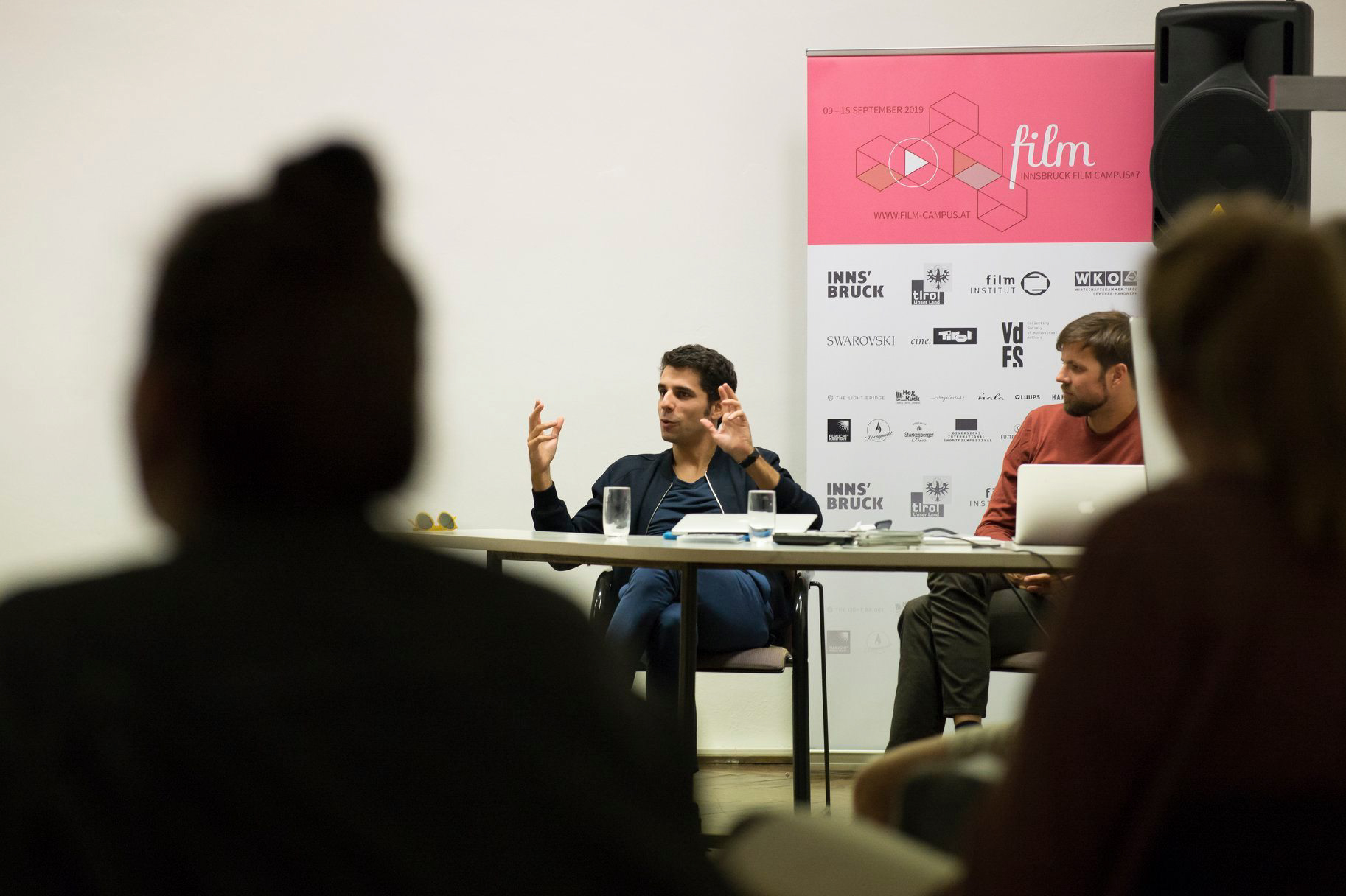
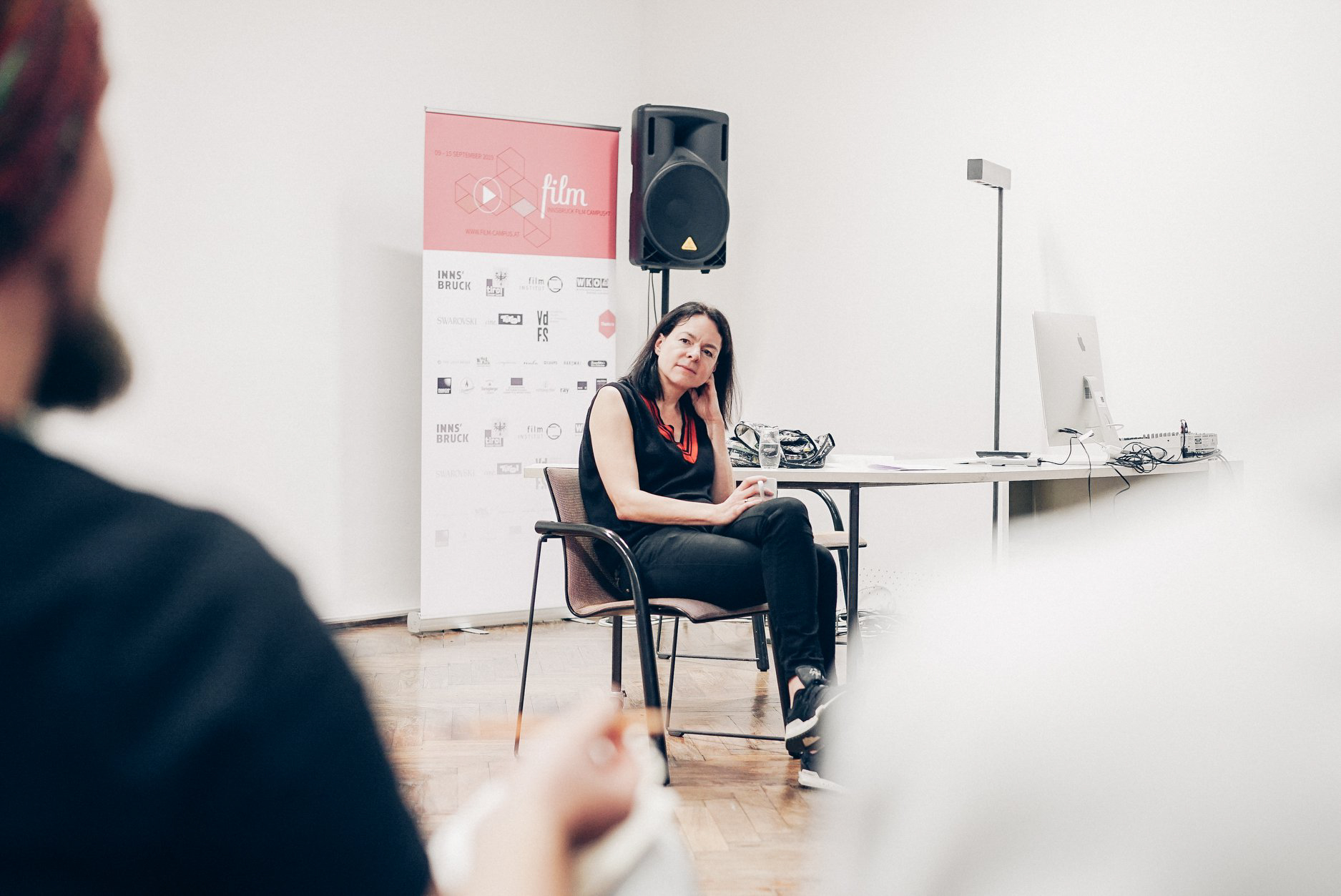
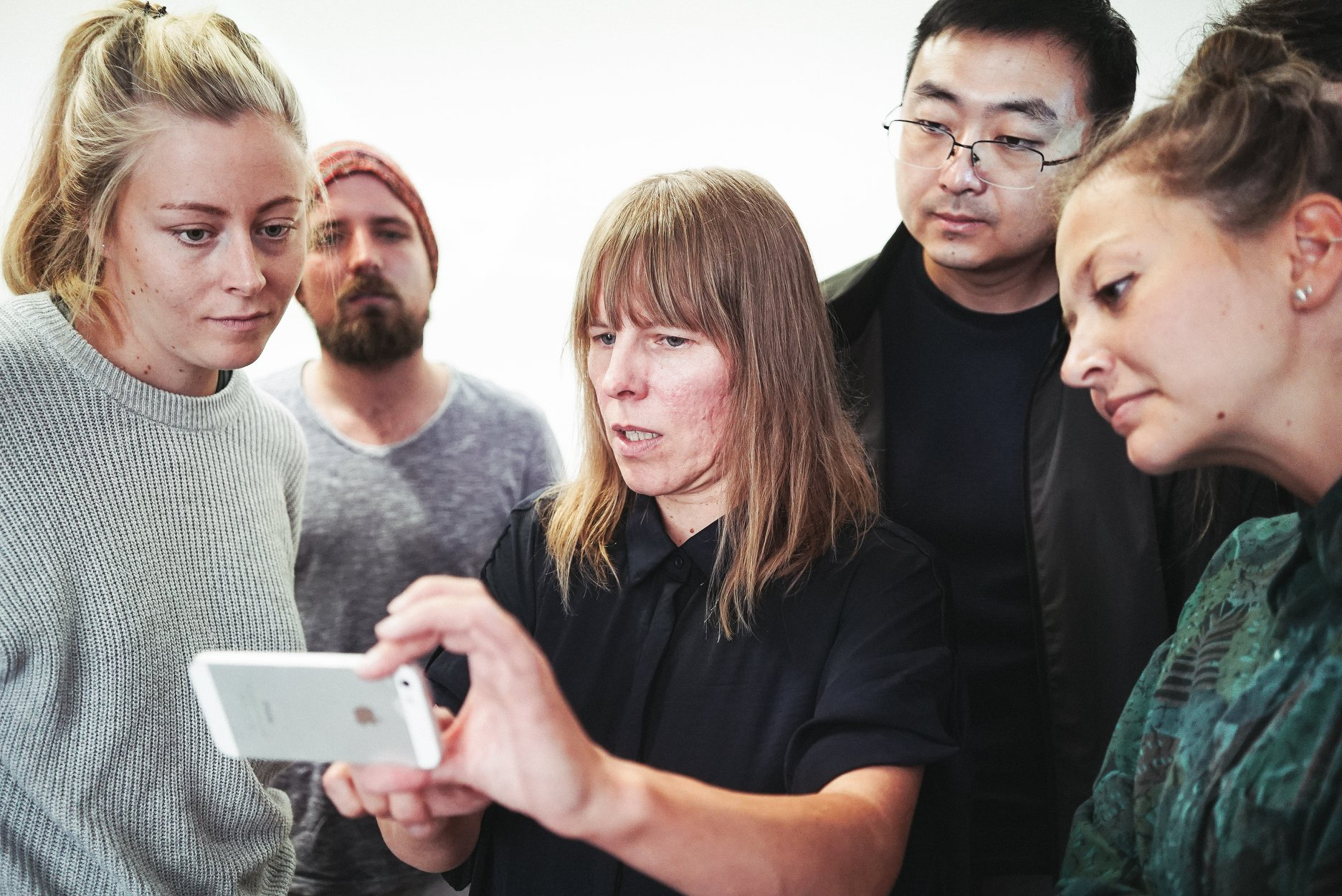
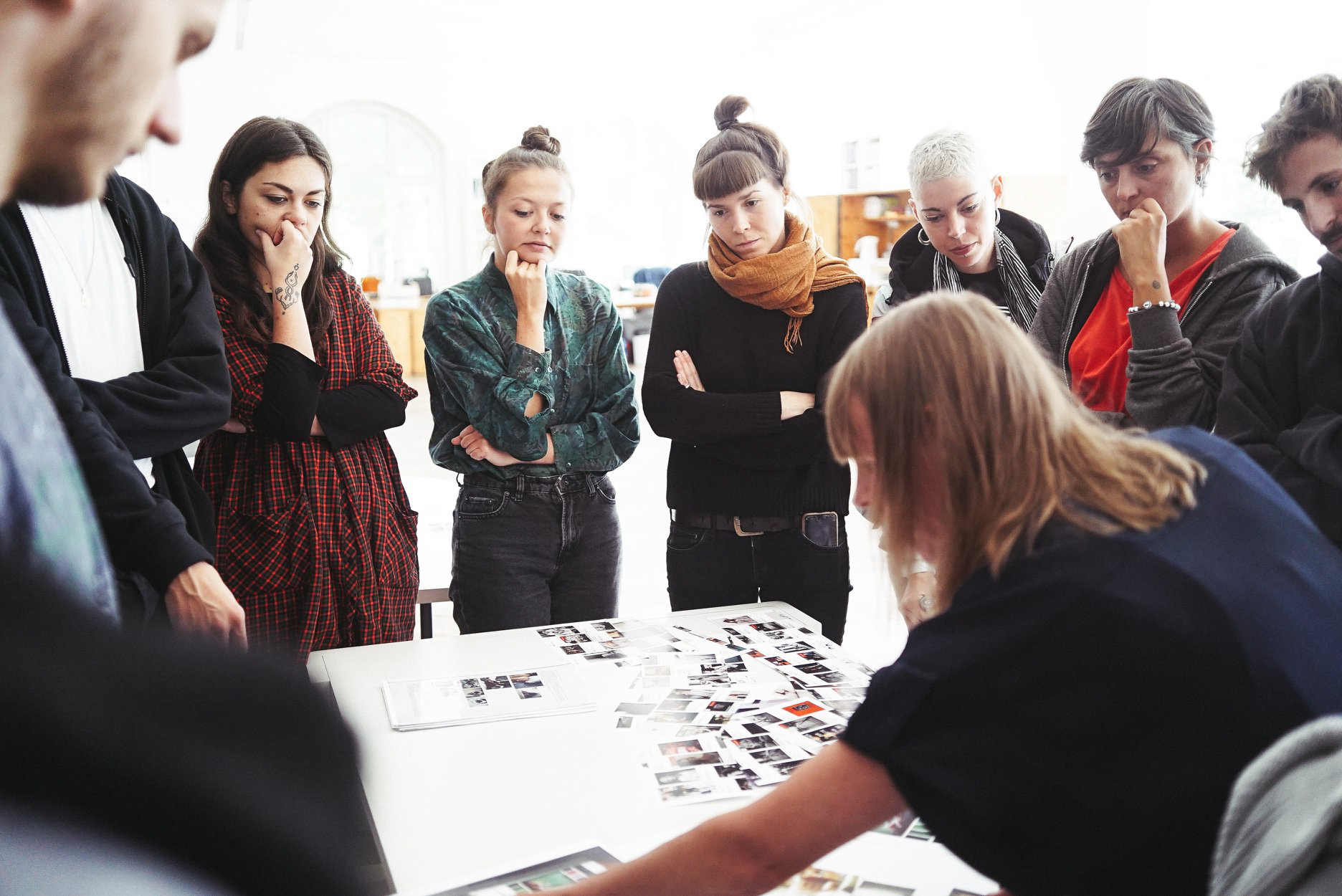
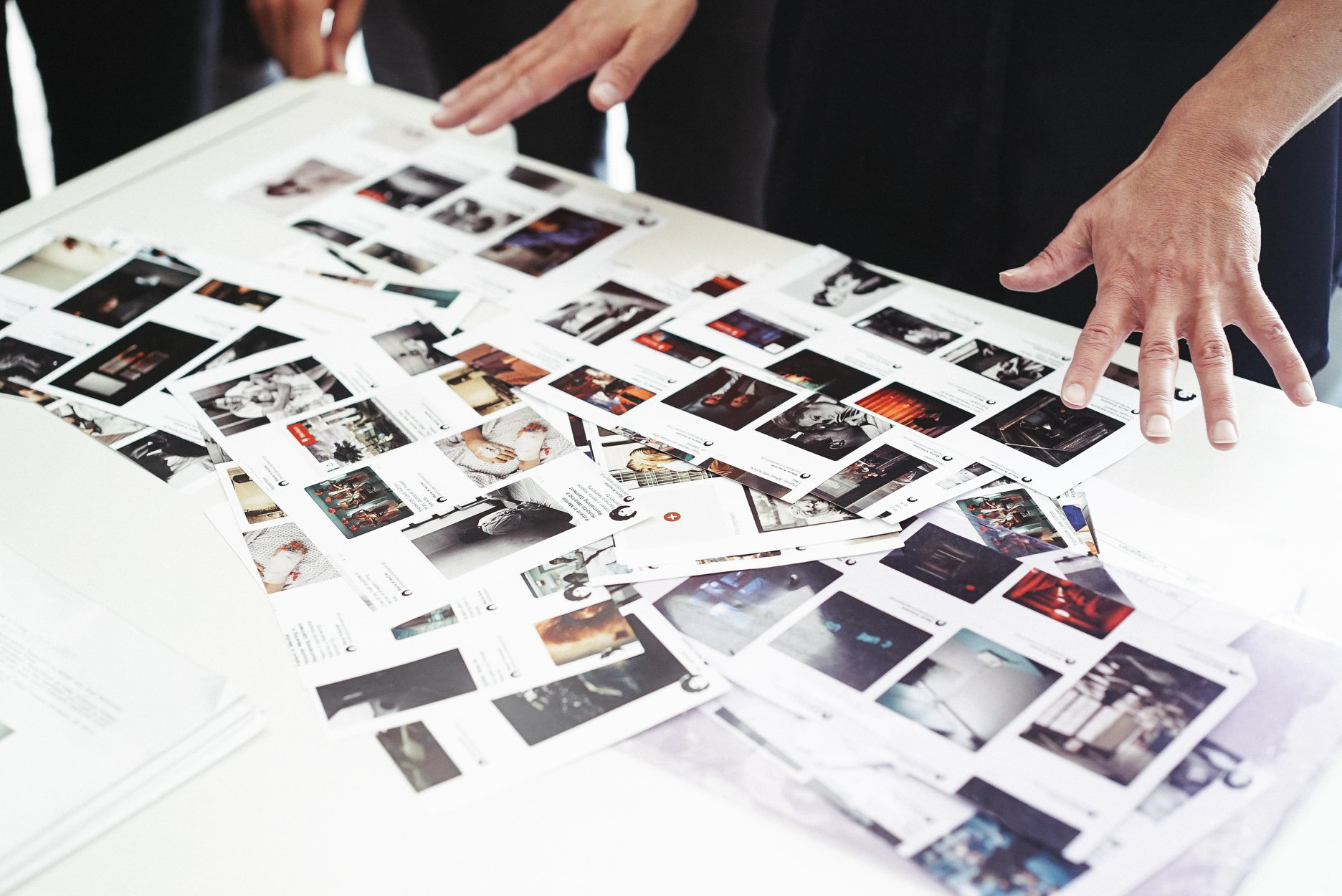
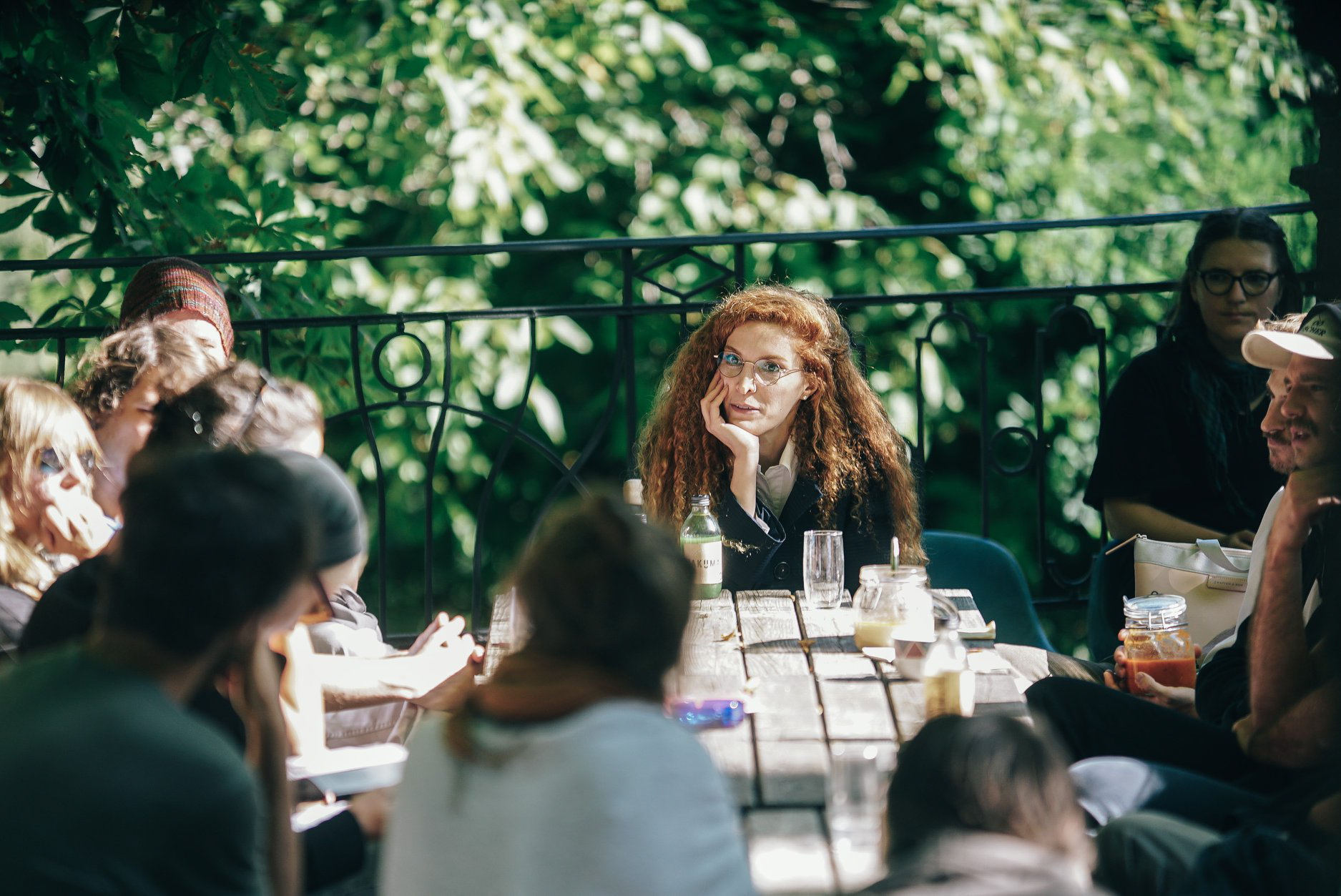
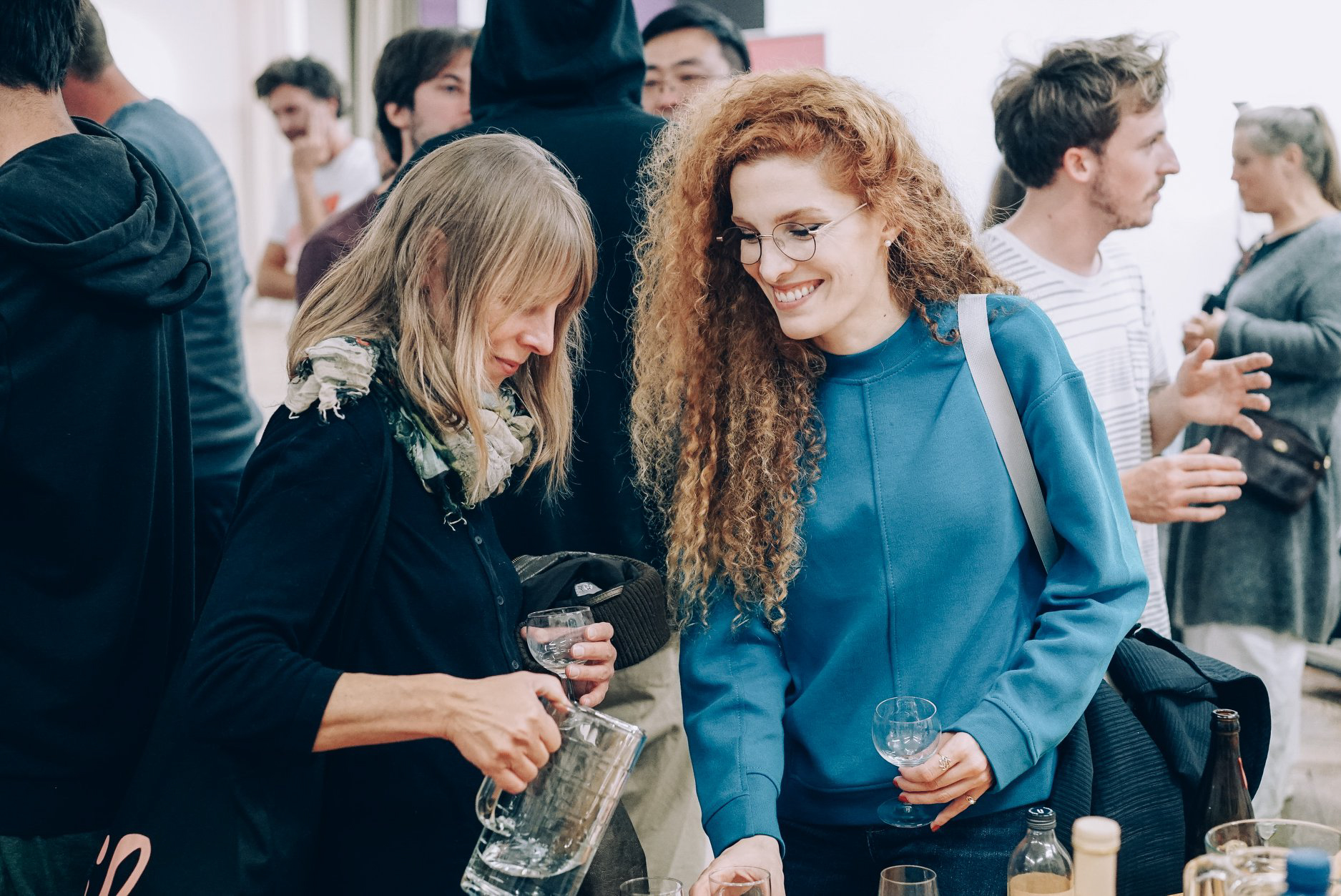
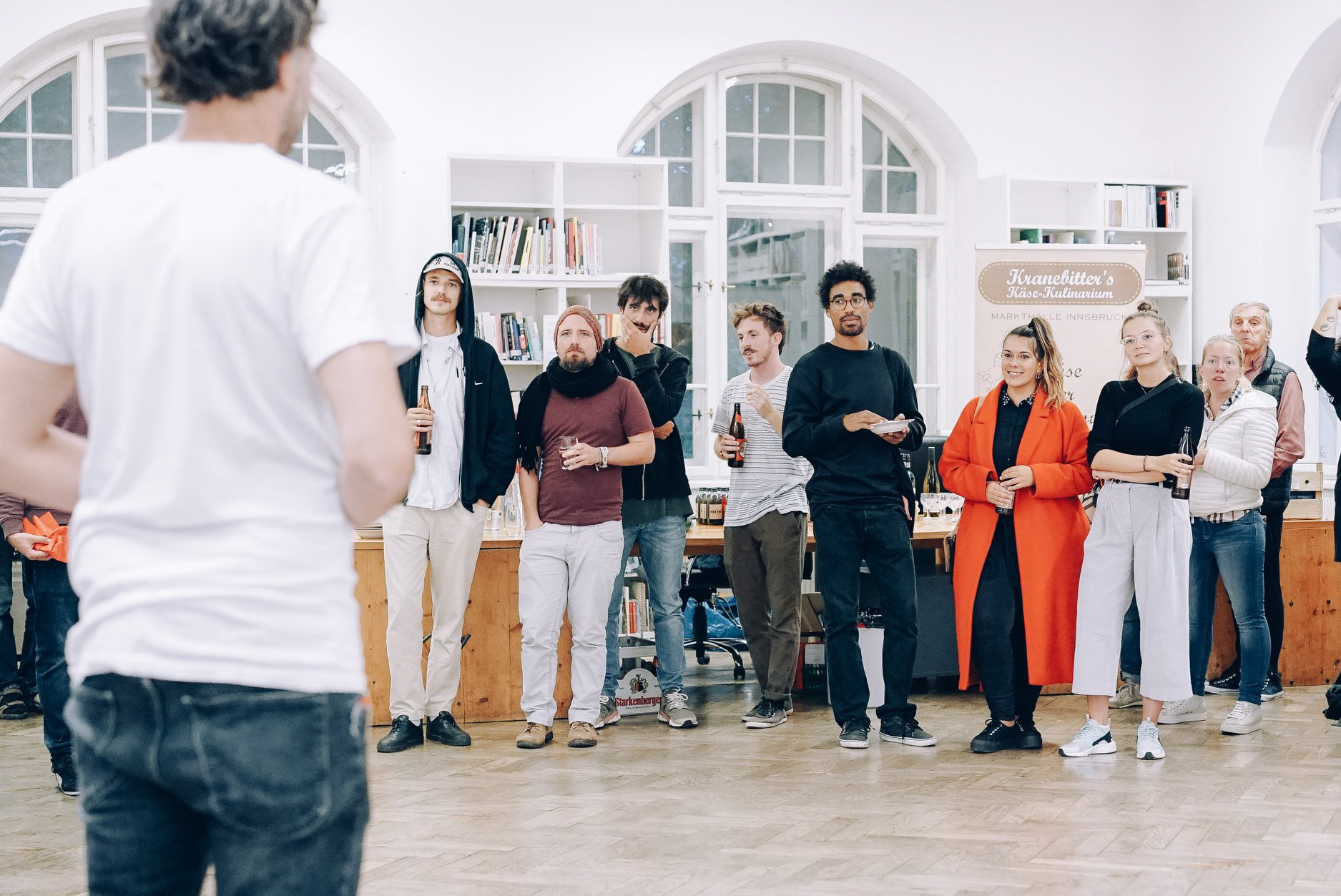
The seventh edition of film campus Innsbruck took place from 9 to 15 September 2019. Out of more than 100 applications, 18 young filmmakers from Italy, Germany, China, Hungary, Croatia and Austria were selected and invited to participate for one week. The campus enabled intense discussions and a profound exploration of the medium of film – for both participants and the seven Austrian and international speakers.
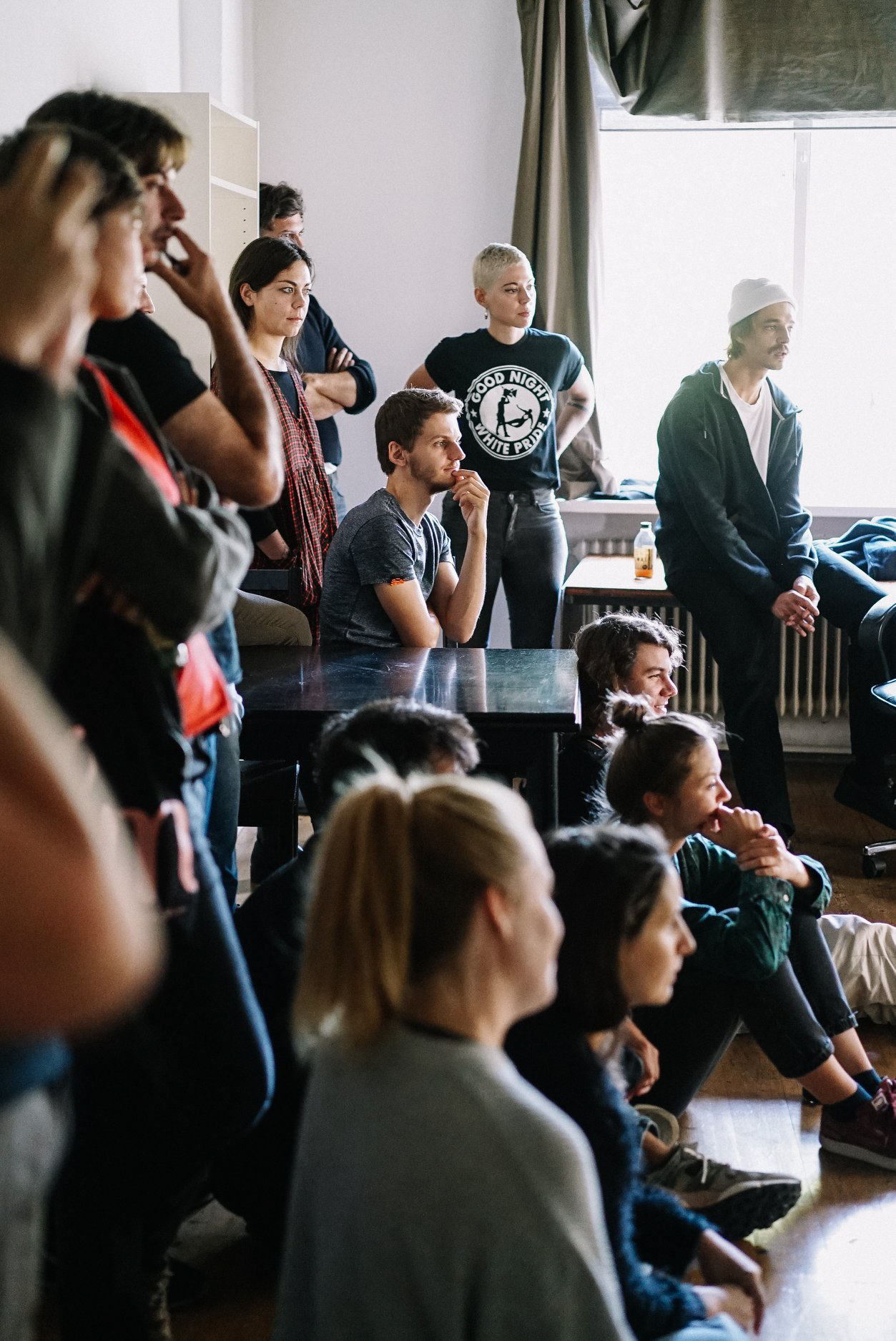
Contacts were established quickly, creating networks that will have their effect far beyond the film campus innsbruck. The focus was put on practical issues such as camera, light and editing, but also on theoretical themes concerning the ethics of observation or how to show emotions in pictures.
experts
Sara Fattahi, born in Damascus in 1983, studied Law at Damascus University and graduated at the Fine Art Institute in Damascus. Storyboard artist & animator for several channels such as Al Jazeera Kids and SpaceToon, as well as art director of soap-operas from 2003 to 2008. Since 2010, independent filmmaker and producer. Since 2014 collaborations in research and writing for independent short films. First short documentary 27 METERS in 2013. Fattahi’s first feature length documentary COMA was produced in 2015 and was granted the ‘Regard Neuf Award’ for the Best First Feature Film at Visions du Réel 2015. Her second feature film CHAOS won the ‘Pardo d’oro Cineasti del presente’ at Locarno Film Festival 2018.
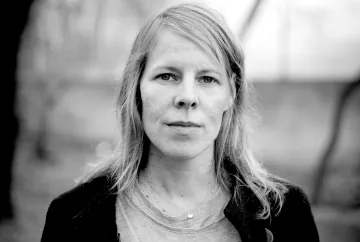
Leena Koppe, born in Vienna, studied Cinematography at the University of Musik and Performing Arts in Vienna. Since her graduation she shot six feature films, several documentary movies, a few commercials and projects with visual artists and dancers. Twice she was nominated for the Austrian Film Award, as well as for the Romy Award which she won in 2015.
As a first female Director of Cinematography she also won the Best Picture Award for a feature film at the Diagonale 2011 and the Kodak Analog Award in 2019 for THE GROUND BENEATH MY FEET which had its premiere at the Berlinale Competition in 2919.
Leena Koppe will follow the question „What are possibilities to show emotion in pictures“ and tries to find an answer to what is an emotional picture. She will show some examples and talk about how she transfers the script into a moving picture. Furthermore, she will give insight on how she finds her way of communicating with a director.
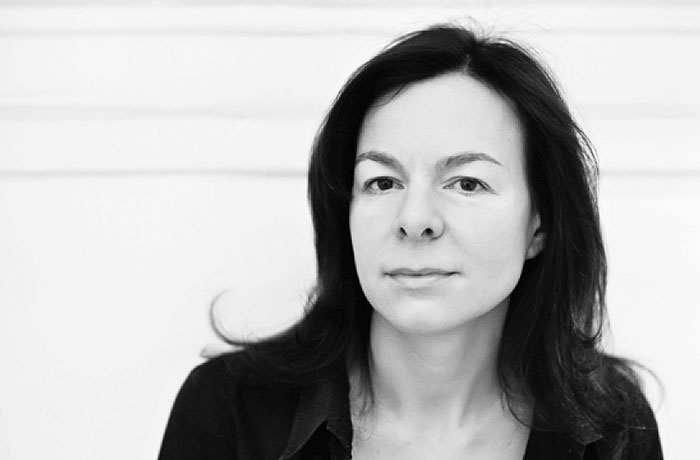
Monika Willi, born in Innsbruck, is an Austrian film editor known for her many years of collaboration with Michael Glawogger (e.g. France, Here We Come!, Workingman’s Death, Contact High, Whores’ Glory) and Michael Haneke (e.g. The Piano Teacher, Time of the Wolf, The White Ribbon, Amour, Happy End). She has also worked regularly with Barbara Albert (Northern Skirts, Free Radicals, The Dead and the Living) and Florian Flicker (Suzie Washington, Hold-Up). Monika Willi has received many awards and nominations for her work. UNTITLED was Monika Willi’s co-directing debut. At the moment she is editing Ulrich Seidl’s Wicked Games, Juno Mak’s Sons of the Neon Night and Brigitte Weich’s Ned, tassot, yossot…
I have the privilege of editing
different genres of films with very different directors and their own approach to and ideas about film-making. While working on UNTITLED I was even my own editor, or my own director, however you take it. What are the differences, what are the similarities when it’s about the challenges of editing a movie, the work with directors, producers, distributors, sales? This lecture is also about the big misunderstanding of alleged competition.
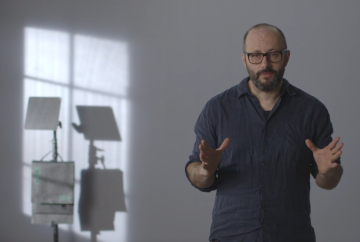
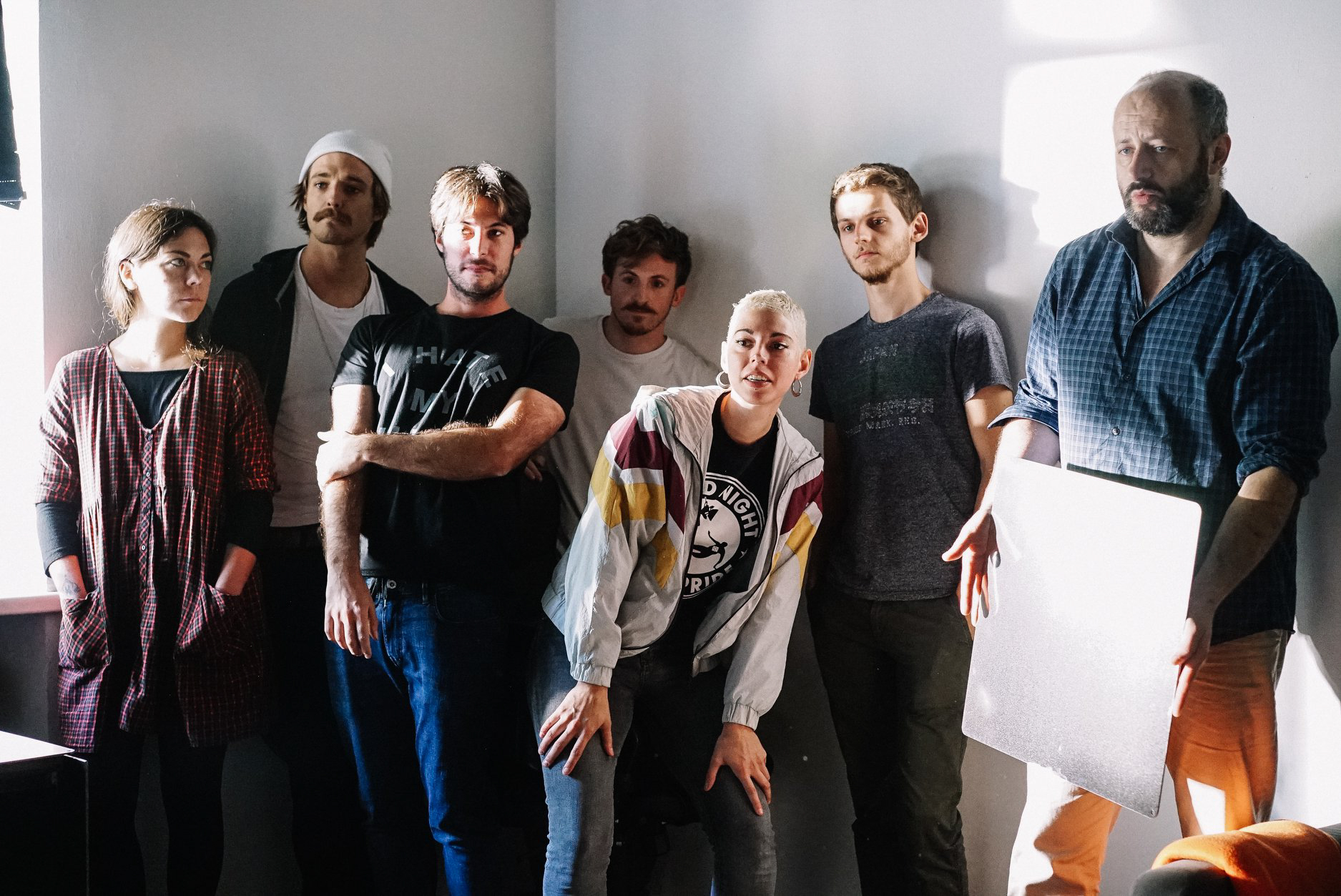
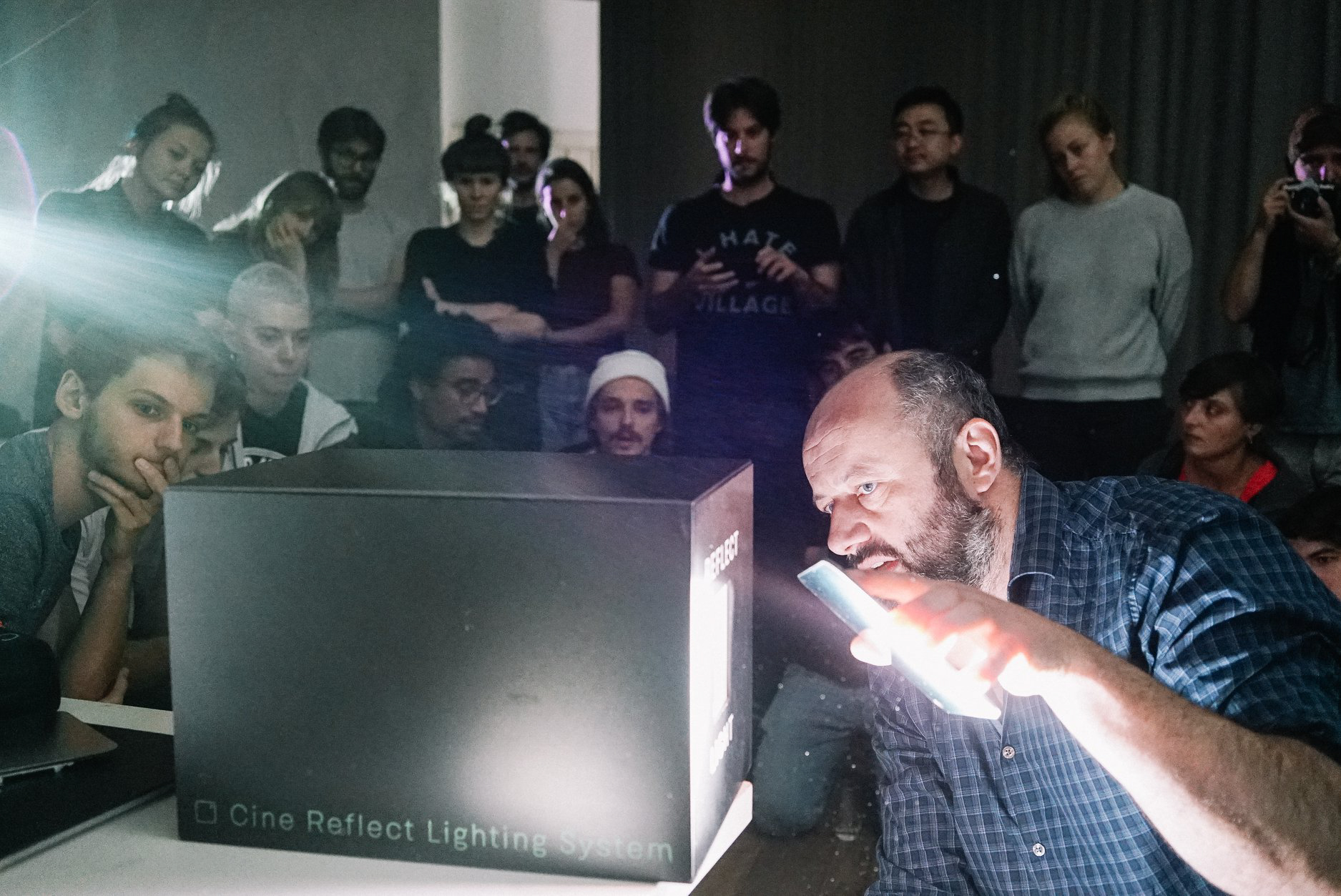
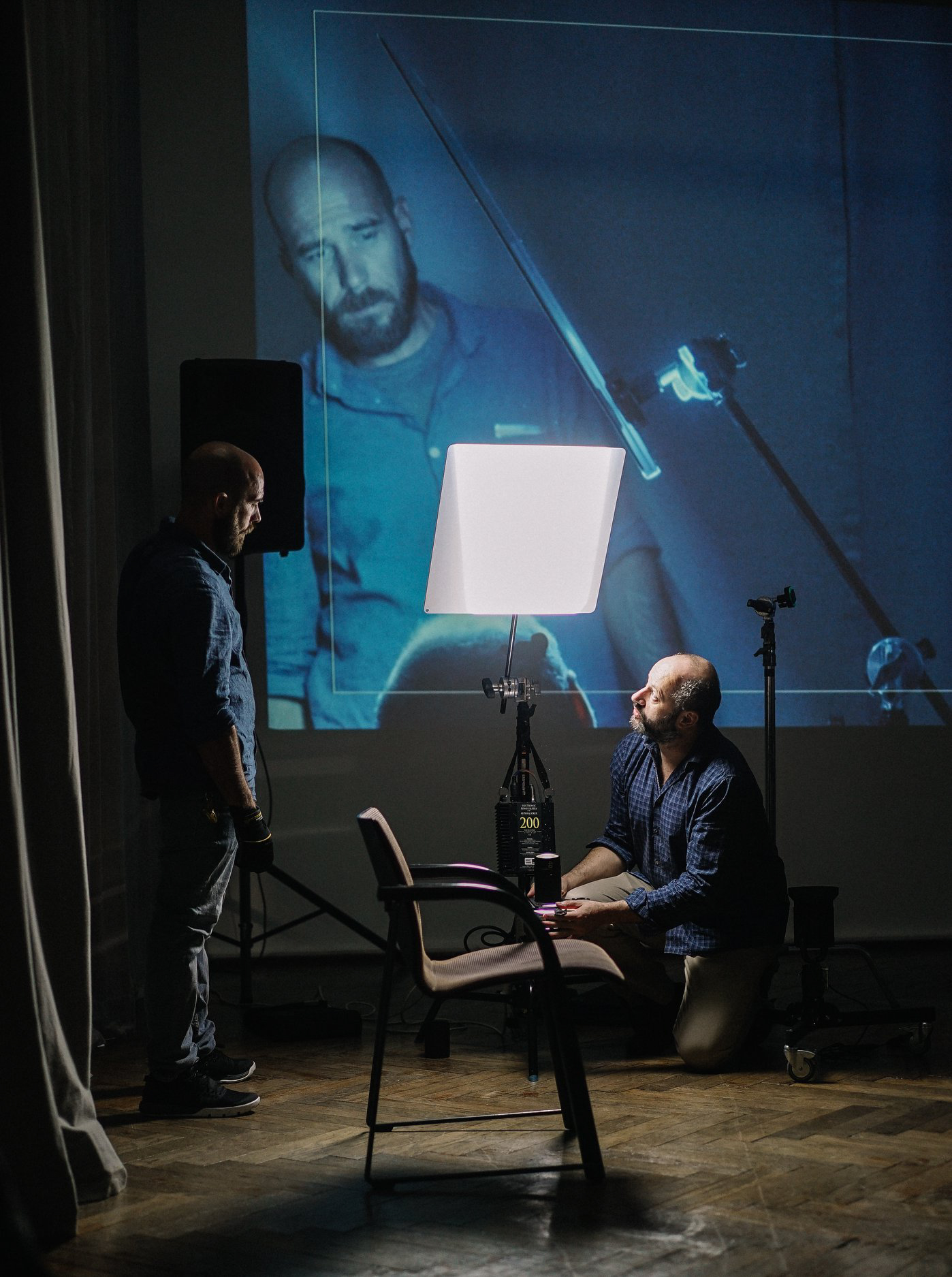
Let’s look at light. Where it came from and what we can do now. Digital cinematography has changed everything, it freed light from exposure to concentrate on moods and emotional storytelling. Let’s look at how painters learned from technological advances and then light some portraits to get our hands dirty. After a theoretical introduction Jakob will be joined
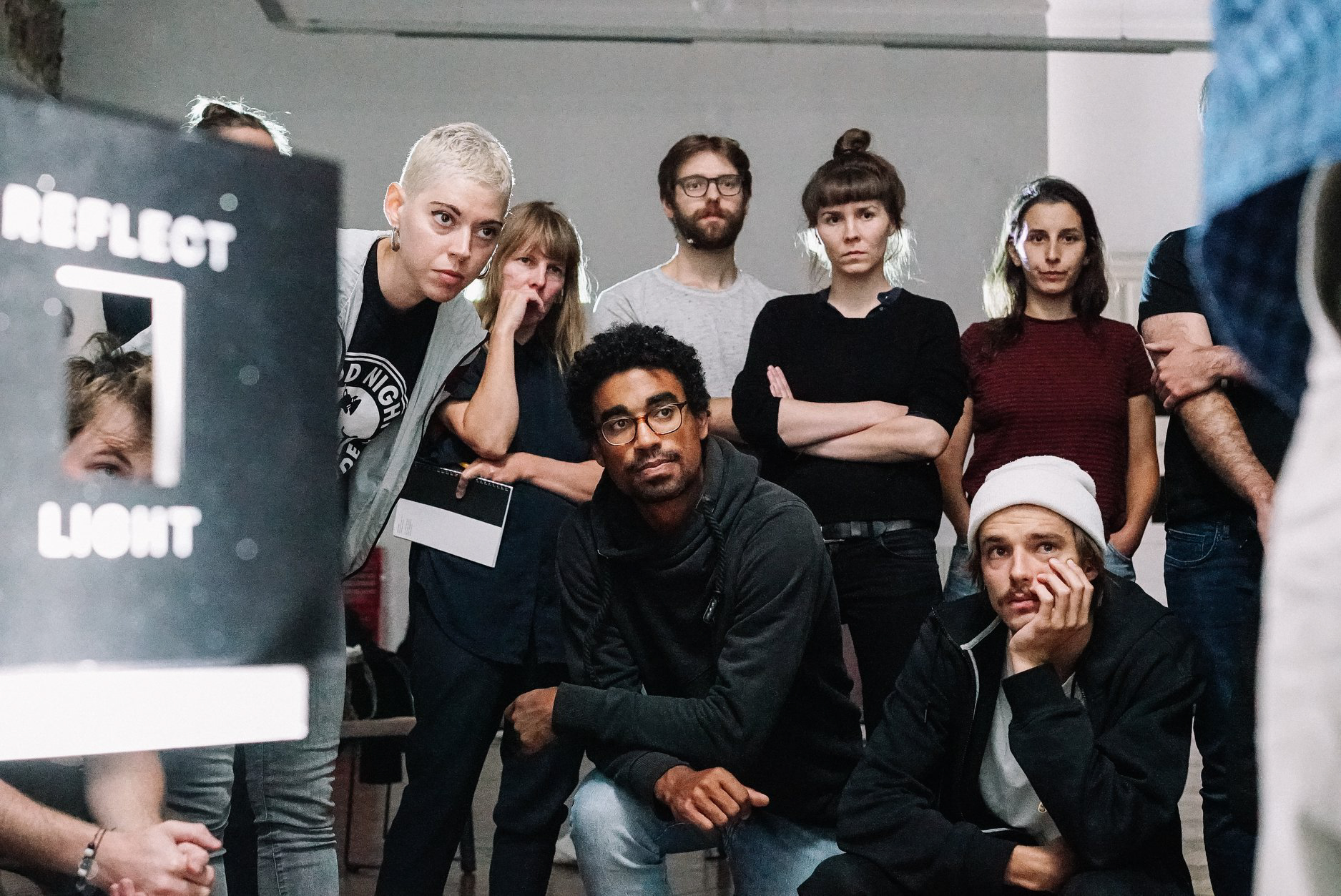
by local gaffer Robert Mayer for the practical part. Robert will bring the Lightbridge’s Cine Reflect Lighting System to light portraits. Paired in two groups we will see how different faces need different light to tell different stories and see how we can use available light and artificial light to sculpt strong images.
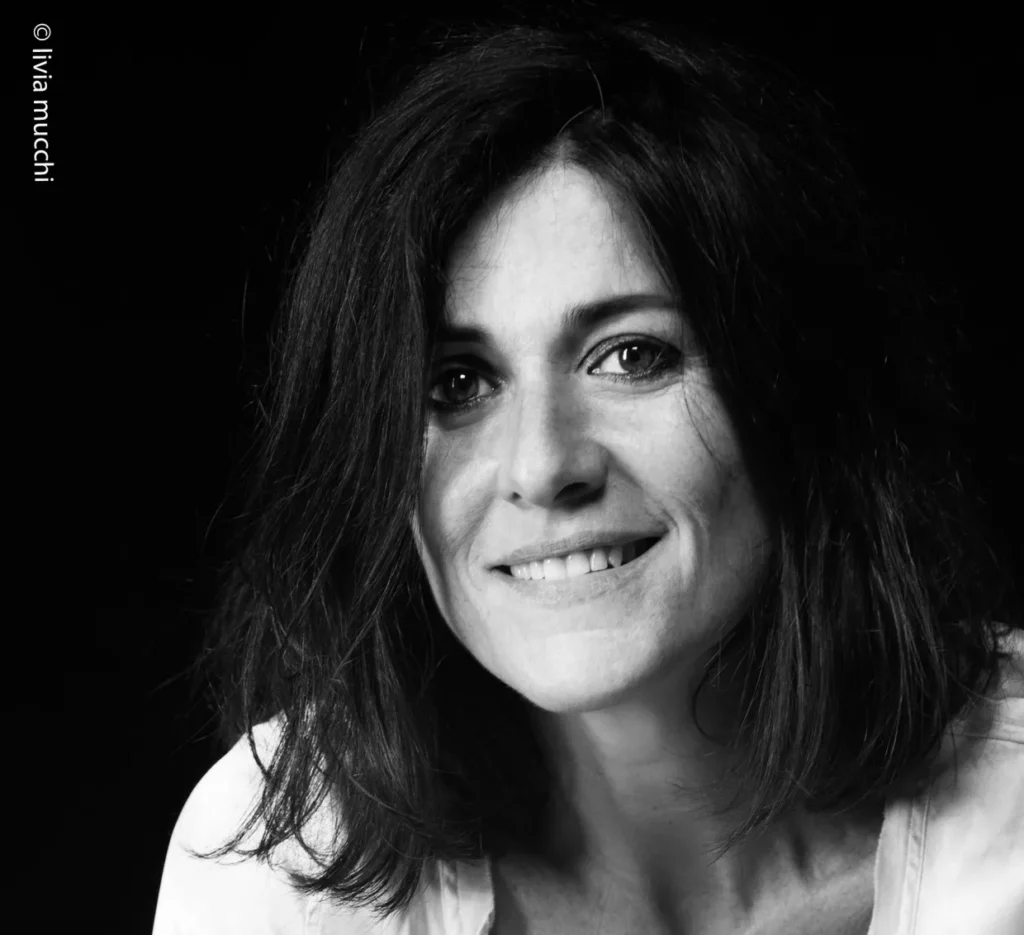
Michela Occhipinti was born in Rome in 1968. After spending part of her life between Rome, Morocco, Hong Kong, Congo and Switzerland, in 1991 she moved to Milan and then to London, where she started working in documentary and advertising as a researcher and production assistant. Since 1995 she has been living in Rome working in cinema, documentaries and advertising in various positions in Italy and abroad. In 2003 she travelled one year throughout South America producing and filming the documentary ¡VIVA LA PEPA! (GIVE US BACK THE CONSTITUTION) on Argentina’s social crisis. From 2005 to 2007 she cooperated with RAI 2 directing various reportages on immigration issues. In 2008 she filmed SEI UNO NERO, a non-profit documentary shot in Malawi on the opening of a radio station for Aids and malaria prevention.
In 2010 she produced and directed LETTERS FROM THE DESERT (EULOGY TO SLOWNESS), her first feature documentary, which participated in over 80 Festivals worldwide receiving 21 awards, making it one of the most awarded documentaries of 2010. In 2018 she directed her first feature film FLESH OUT in Mauritania.
Michela will talk about how she became a filmmaker by chance and about her approach to
filmmaking.
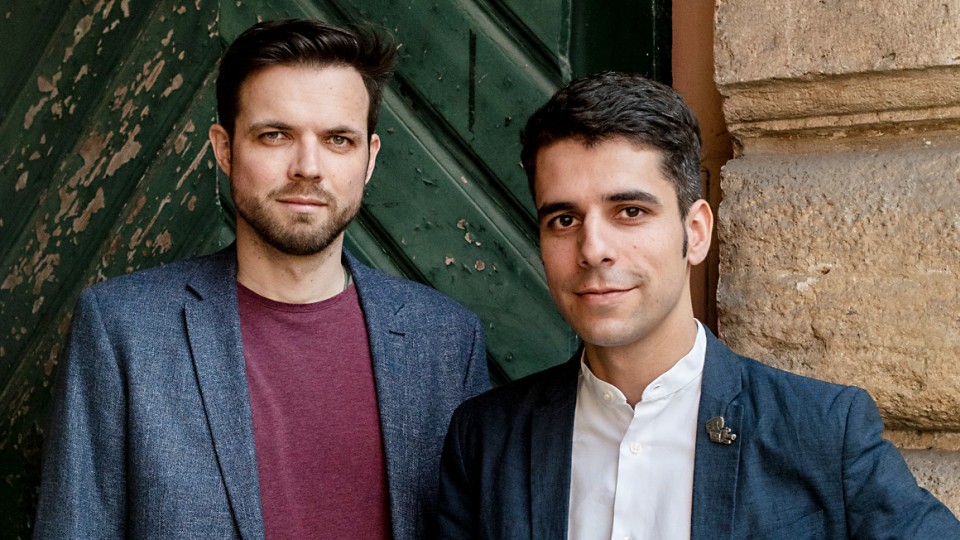
Jakob Brossmann is a documentary director and stage designer. He studied stage design at the University for Applied Arts in Vienna, where he now teaches. 2015, his first feature length documentary LAMPEDUSA IN WINTER was presented at the Semaine de la Critique in Locarno, the international competition at DOK Leipzig and won the Austrian Academy Award for Best Documentary and 14 other prizes. With David Paede he directed LISTEN TO THE RADIO (Gehört, Gesehen – Ein Radiofilm), which won the Audience Award at the DIAGONALE 2019.
David Paede is a documentary director. He studied in the master’s program “Time-based media” with the focus on documentary film at the Art University in Linz. He directed and produced a number of short and medium-length films before co-directing his first feature film LISTEN TO THE RADIO (Gehört, Gesehen – Ein Radiofilm) with Jakob Brossmann.
Let us assume, documentary
is first and foremost an act of thinking. A mind game if you like. It is the art of developing a mindset, which allows us to perceive the world. Making a documentary means constantly formulating hypotheses about a situation, a person, ourselves as well as our own film. Let us put aside for a moment the need to write catchy concepts and impress the world with our style – let us go through our endless options, a playful exercise for our way of approaching documentary. The masterclass “Thinking Documentary” was first held at Cornell University in 2018.
talents
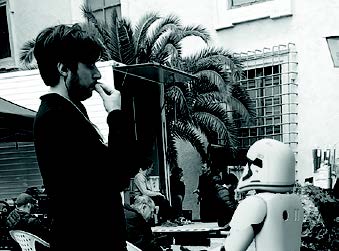
Domenico Del Maestro
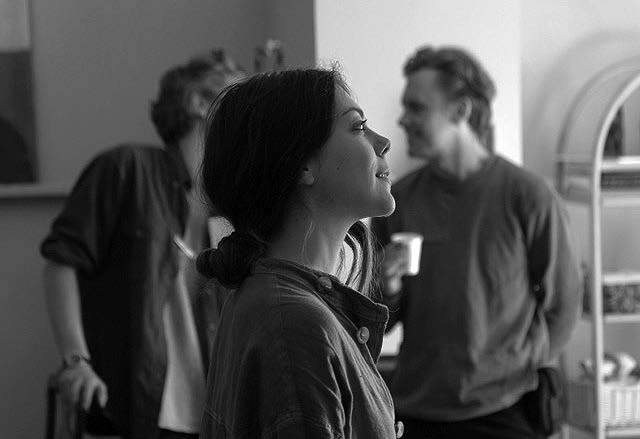
Dora Šustić
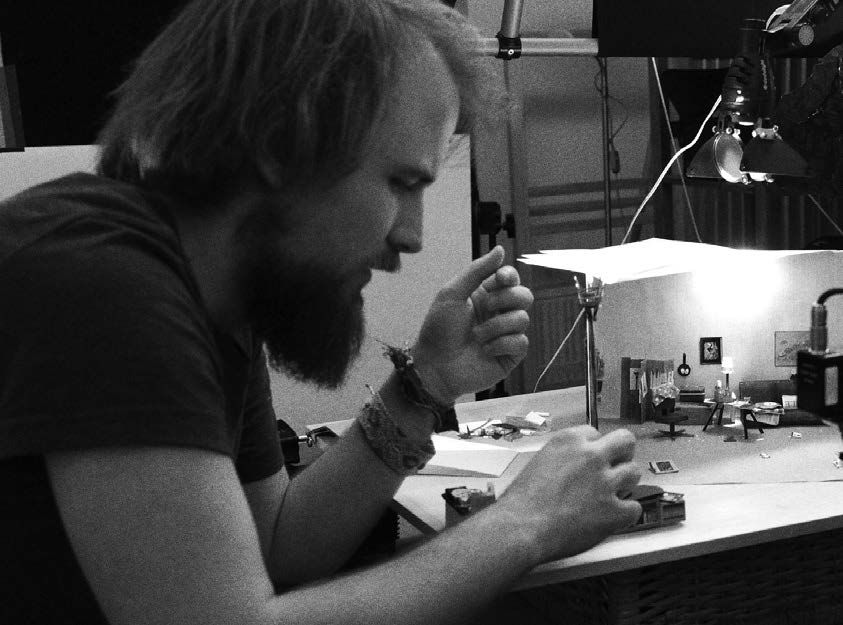
Felix Klee
Gabriella Cosmo
Julian Giacomuzzi
Leila Basma
Magdalena Reichinger
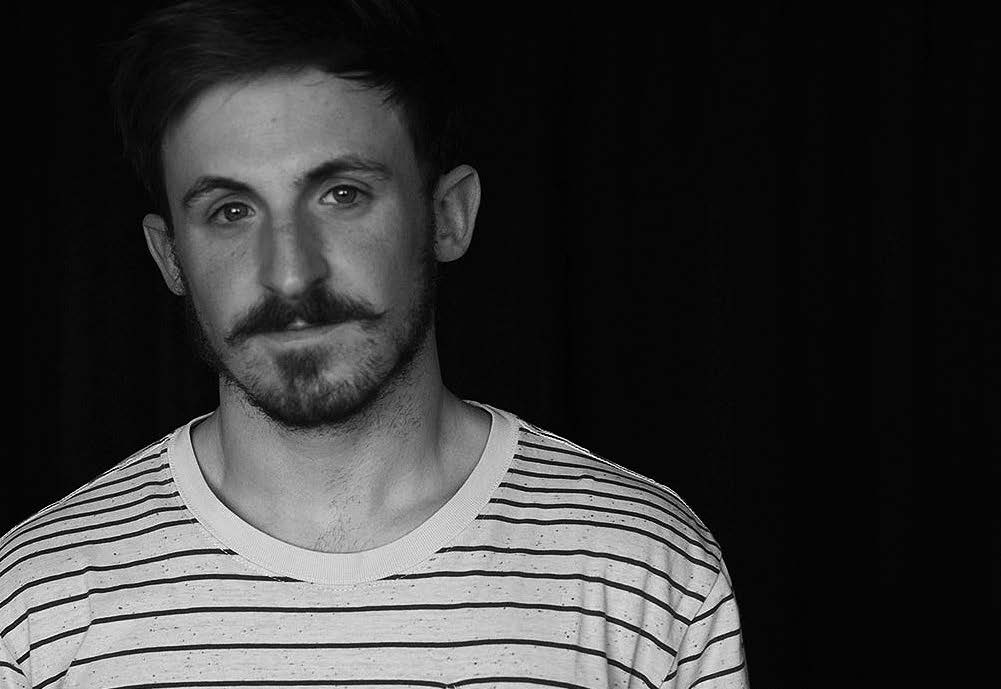
Mark Modrić
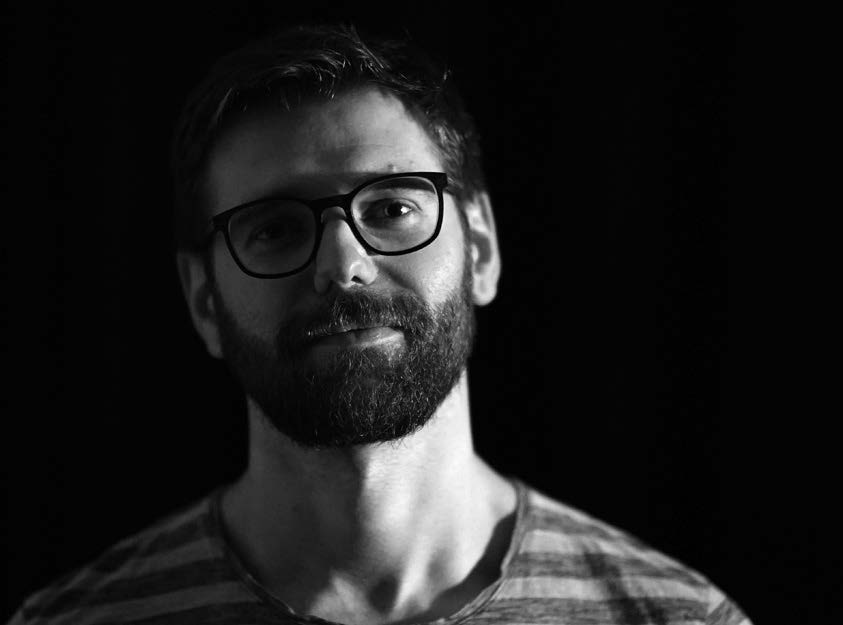
Martin Telser
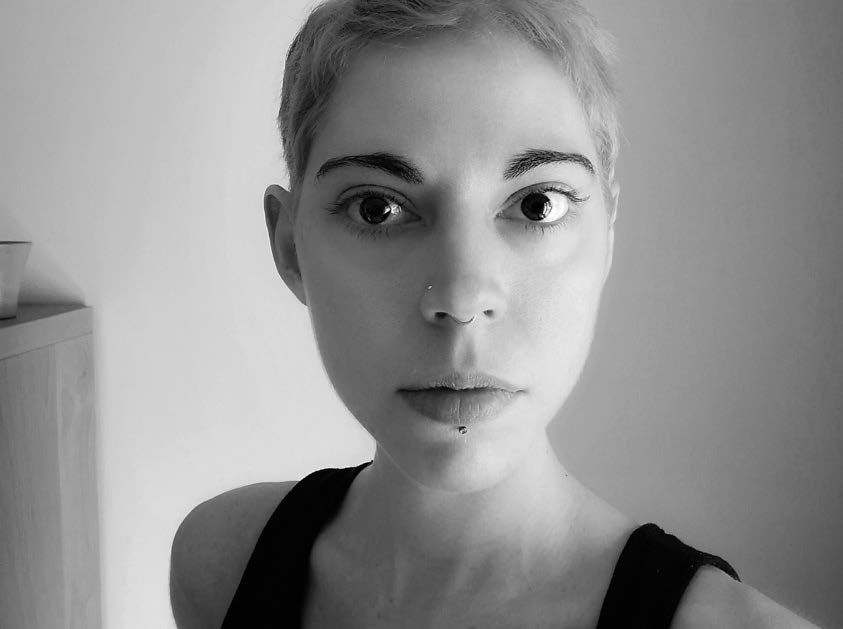
Martina Ferraretto
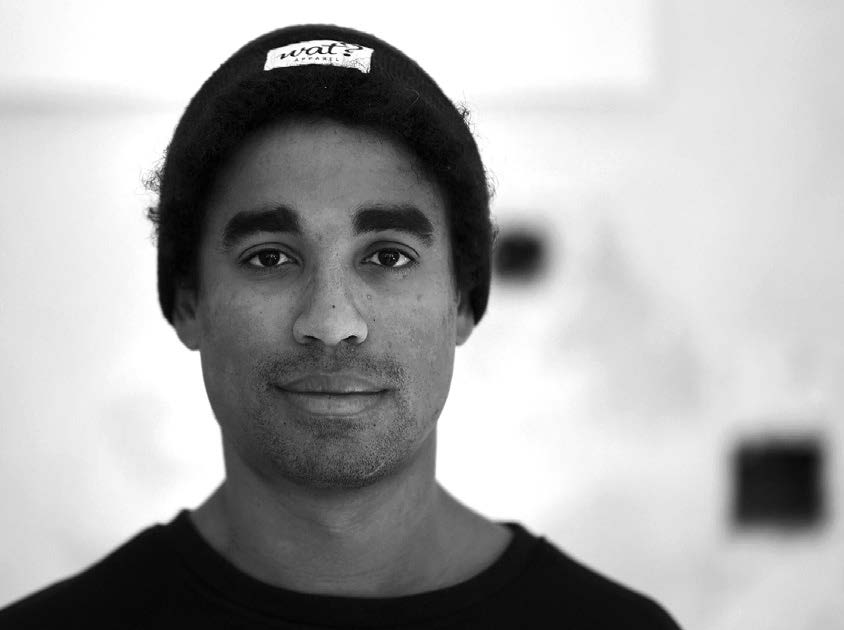
Marvin Smith
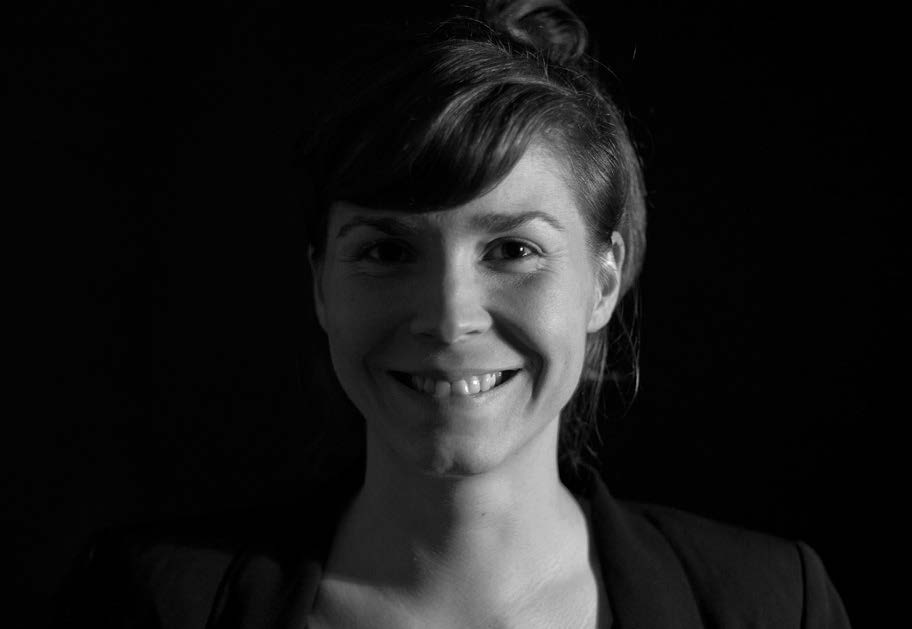
Nadja Werner
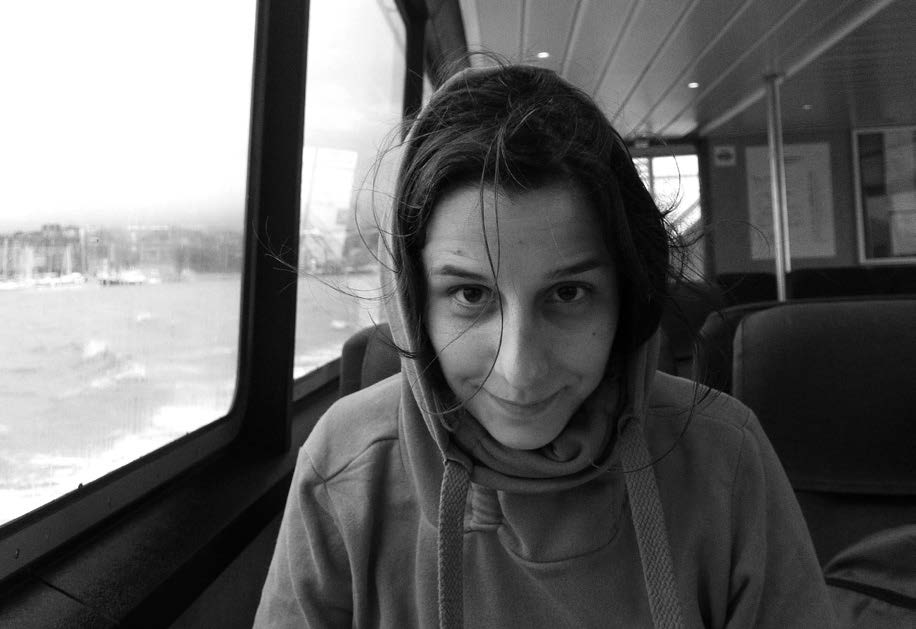
Nikolina Dogdanović
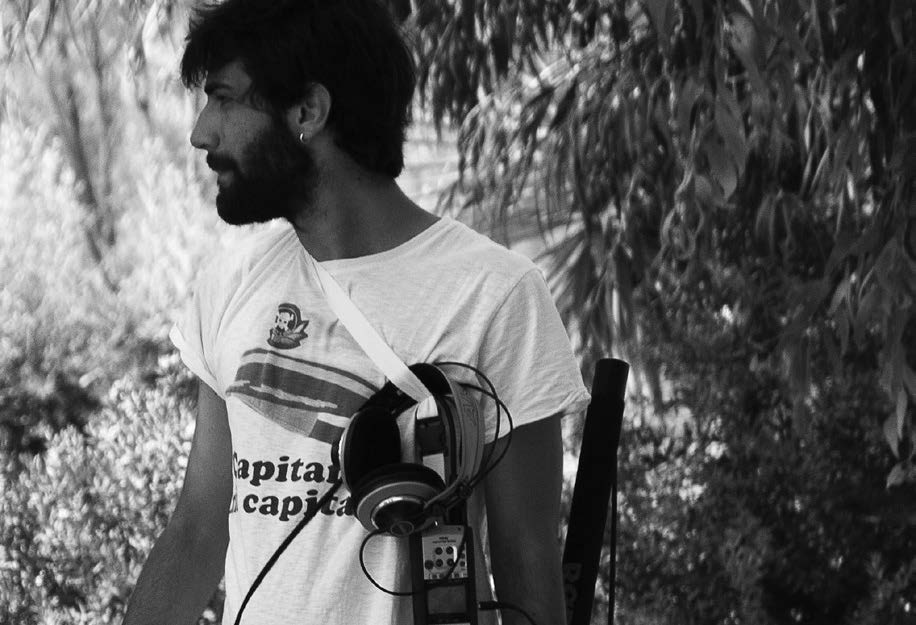
Pierluca Ditano
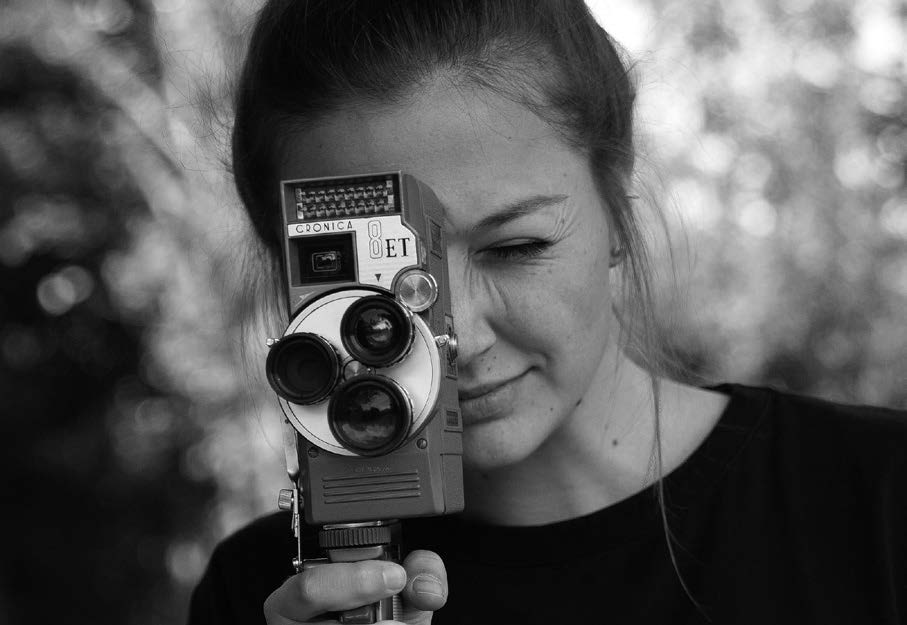
Stella-Joya Puelacher
Tena Trstenjak
Xiaociang Duan
Zacharias Pasztor
films
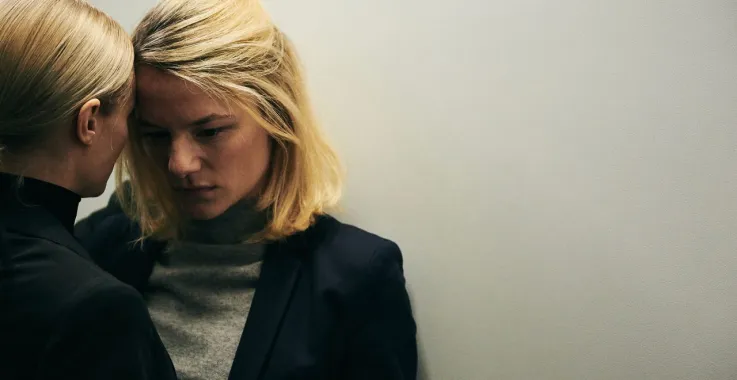
Marie Kreutzer Austria 2019; 108 min., German with English subtitles. Director: Marie Kreutzer, DoP: Leena Koppe, Cast: Valerie Pachner, Pia Hierzegger, Mavie Hörbiger, Michelle Barthel.
Lola is almost thirty. A successful management consultant, she is constantly on the move between the companies she is tasked with restructuring. Her chic apartment in Vienna is more of a mailbox and a launderette than a home. A hundred working hours a week is not uncommon in addition to five sessions at the gym, expensive dinners with clients and nights spent in sterile hotels. Her career, which she is advancing with cleverness, efficiency and ruthless cunning, appears to be unstoppable. She applies a similarly disciplined approach when it comes to managing her private life. This means that nobody is allowed to know about the existence of her older sister Conny, who has been suffering from mental illness for a long time and who never leaves her apartment. But when Conny attempts to commit suicide, Lola searches for a way to be there for her.
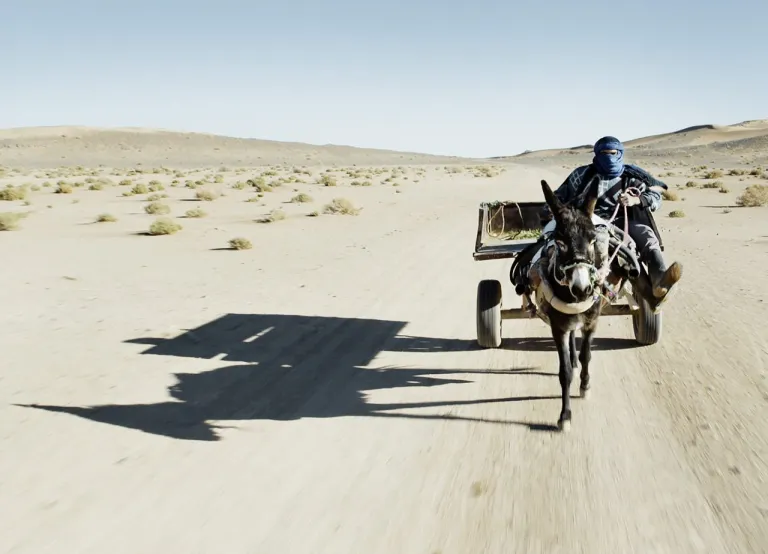
Michael Glawogger & Monika Willi, Austria 2017, 105 min., English version. Screenplay: Michael Glawogger, DoP: Attila Boa, Editor: Monika Willi
“I want to give a view of the world that can only emerge by not pursuing any particular theme, by refraining from passing judgment, proceeding without aim. Drifting with no direction except one’s own curiosity and intuition.” (Michael Glawogger)
After the sudden death of Michael Glawogger in April 2014, his longstanding collaborator and editor Monika Willi realizes a film out of the footage Glawogger shot over the course of 4 months and 19 days in the Balkans, Italy, North and West Africa. A journey out into the world with open eyes and open mind – observing, listening, experiencing. Serendipity is the concept and the only rule to apply – in editing and creating the film just as it was in shooting it.
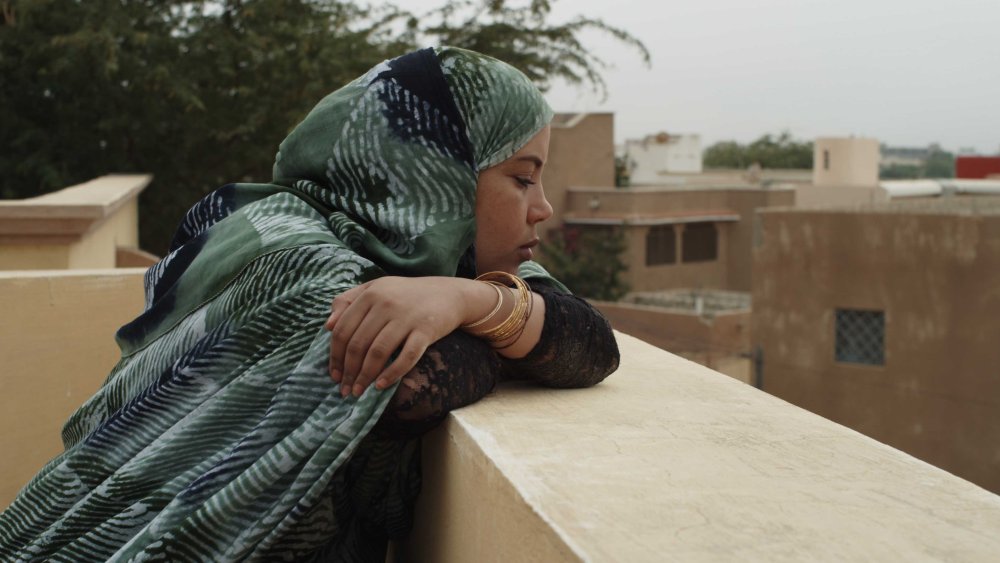
Written & directed by Michela Occhipinti, Director of Photography Daria D’Antonio, Sound Lavinia Burcheri, Editing Cristiano Travaglioli. Italy 2019, 94 min
Verida is a modern girl. She works in a beauty salon, is addicted to social media and hangs out with her friends. Still, she is engaged to a man chosen by her family. Like many girls her age, she is under pressure to gain a substantial amount of weight in a tradition called gavage, in order to reach the voluptuous body considered in Mauritania a sign of great beauty, charm, wealth and social status. The wedding is fast approaching and meal after meal Verida is starting to challenge everything she always thought was normal: her loved ones, her way of life, and not least, her own body.
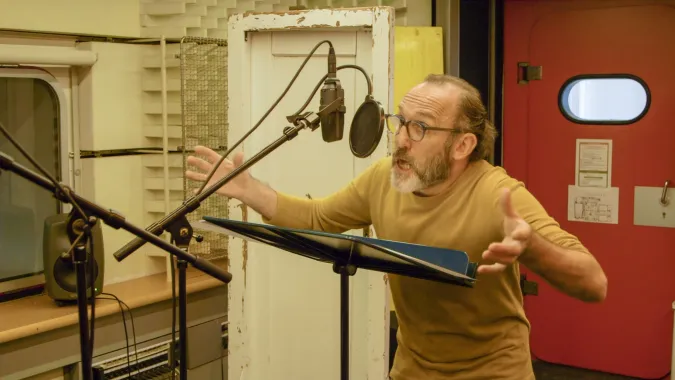
Jakob Brossmann & David Paede, Austria 2019; 90 min., German with English subtitles. Script: Jakob Brossmann & David Paede
With its focus on culture, Ö1 is one of the most successful radio stations of its kind worldwide. Every day the station’s broadcasters strive to explore and convey current affairs and developments around the world in their programs. The film portrays the Austrian radio station during a phase of restructuring and describes the ethos of the radio professionals in trying to contribute to an open-minded, informed society.