


film campus innsbruck 2026
edition DIAMETRALE
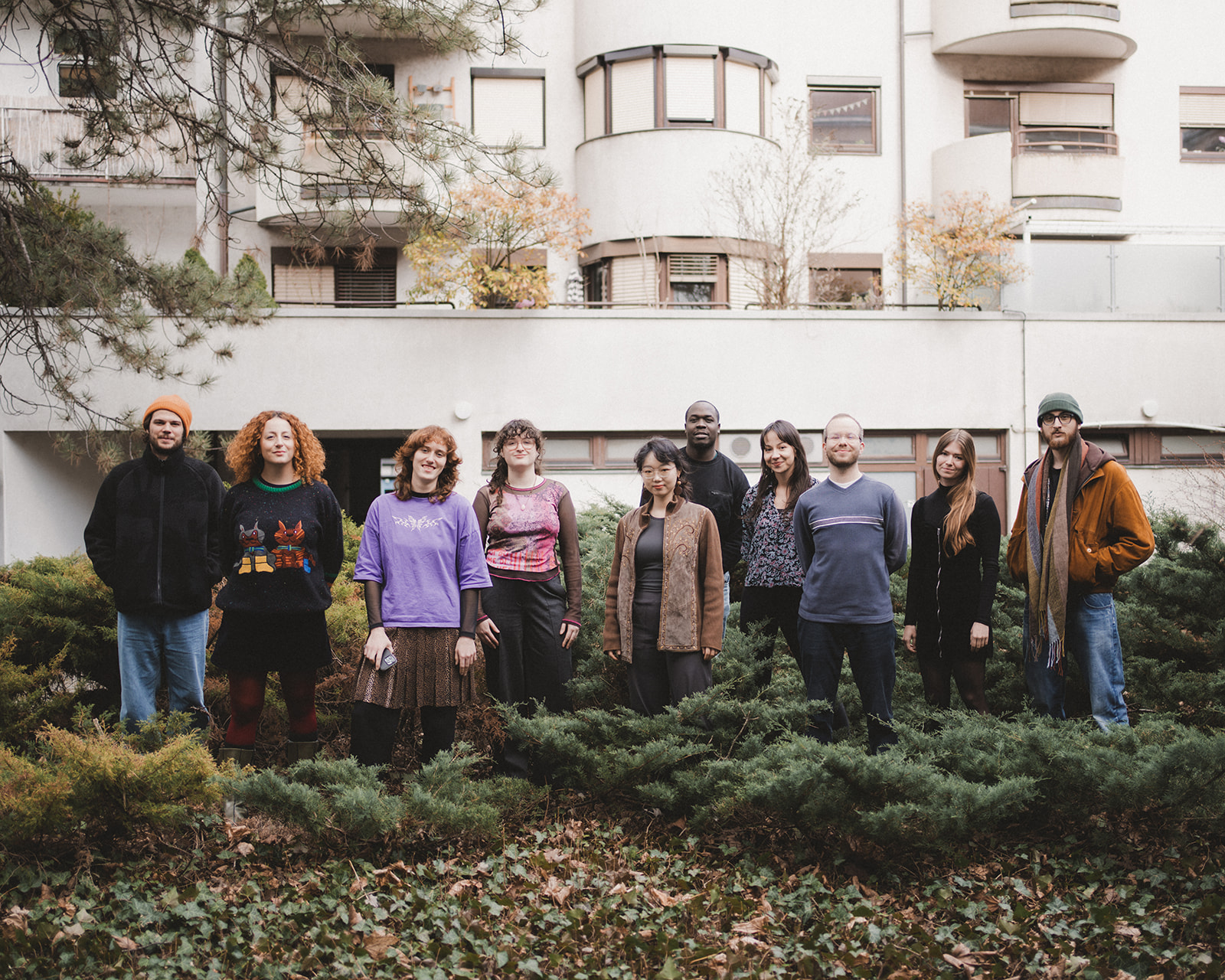
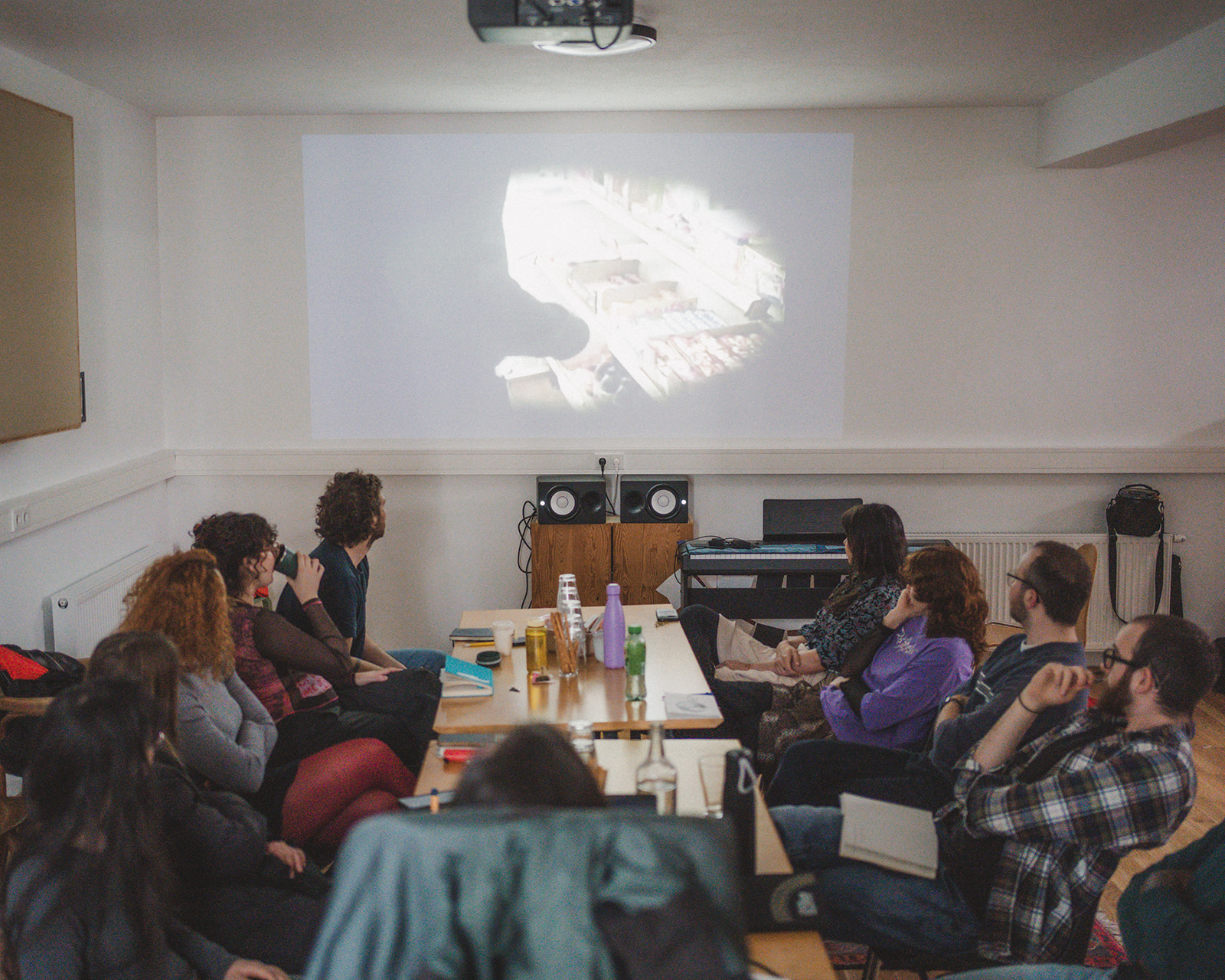
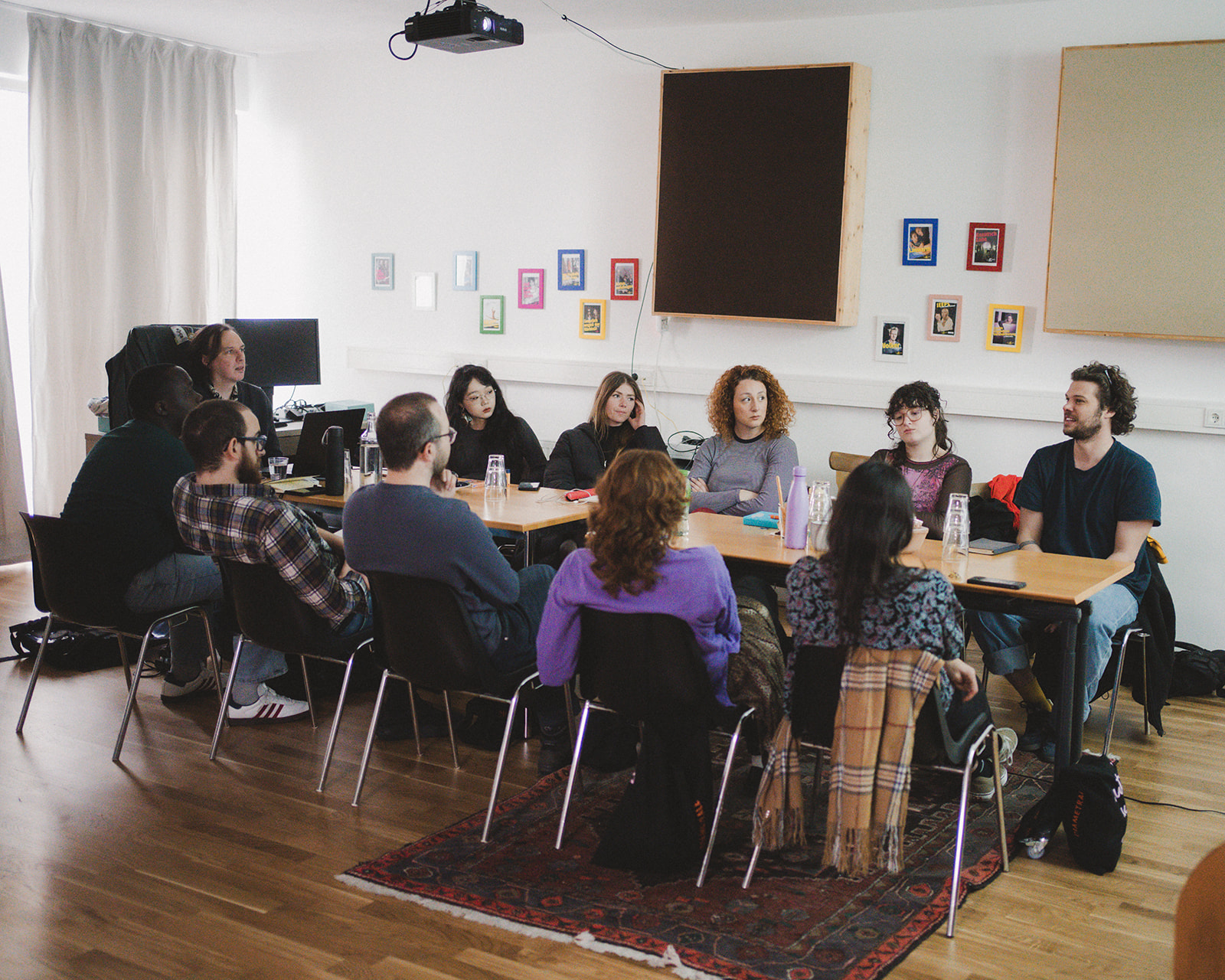
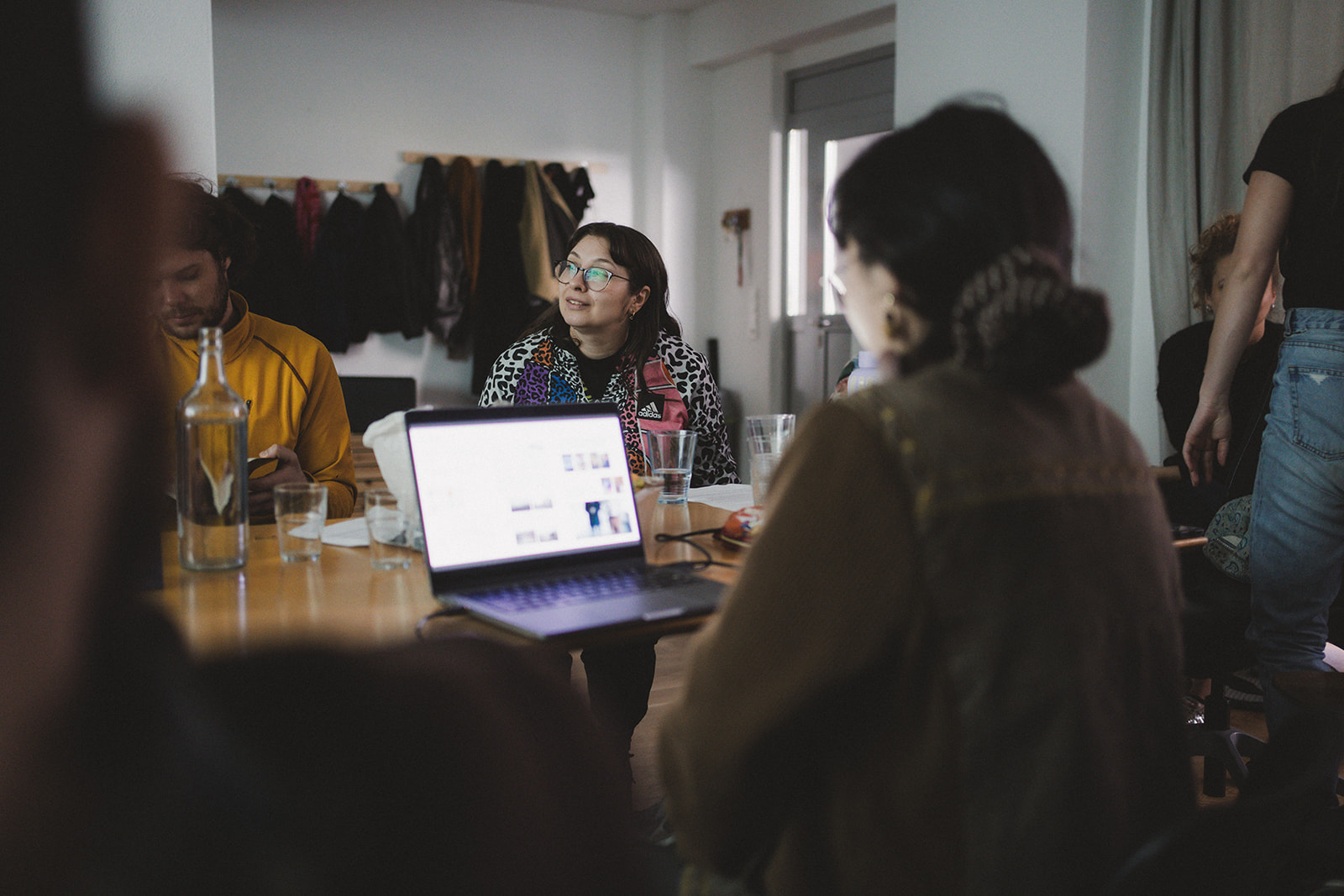
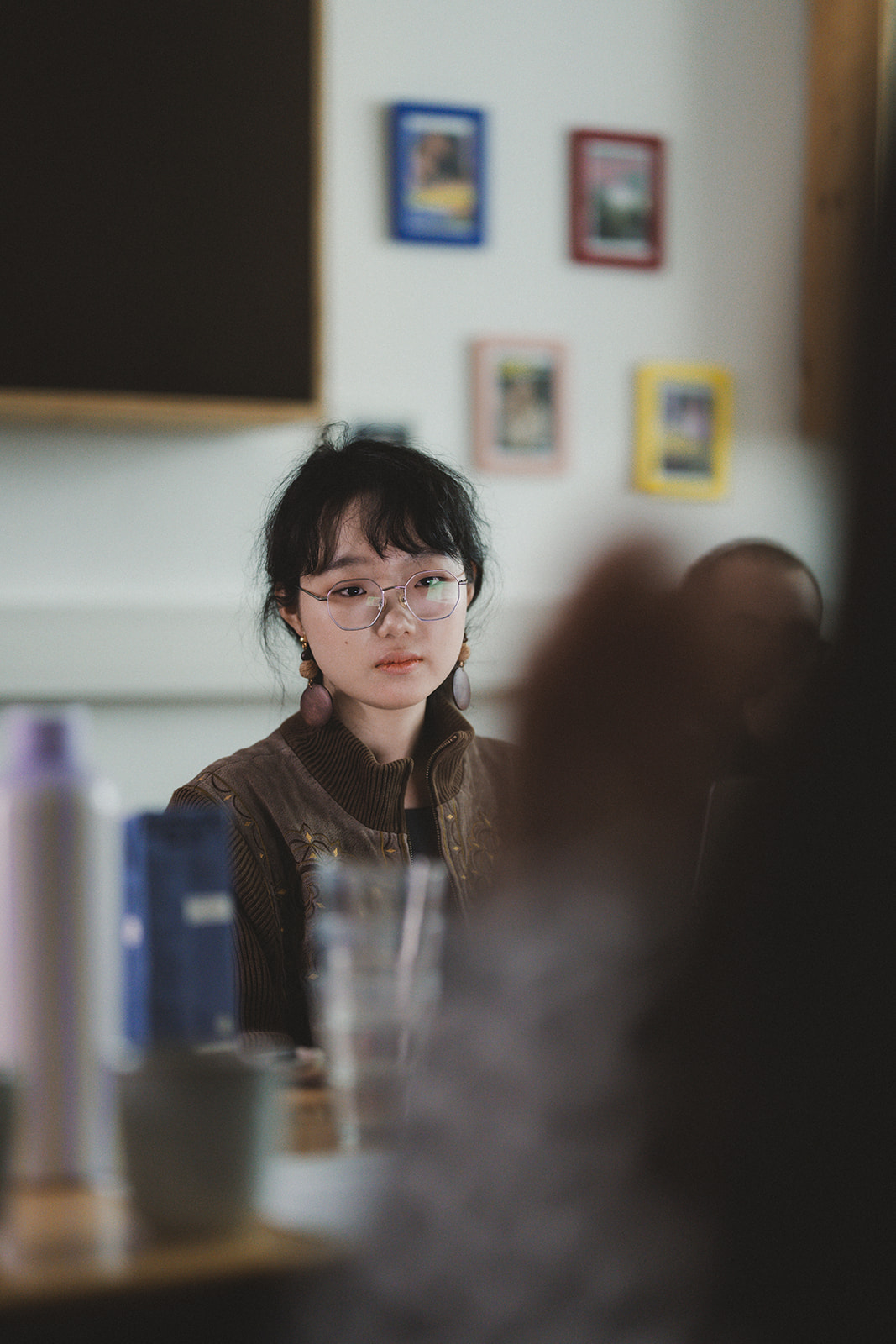
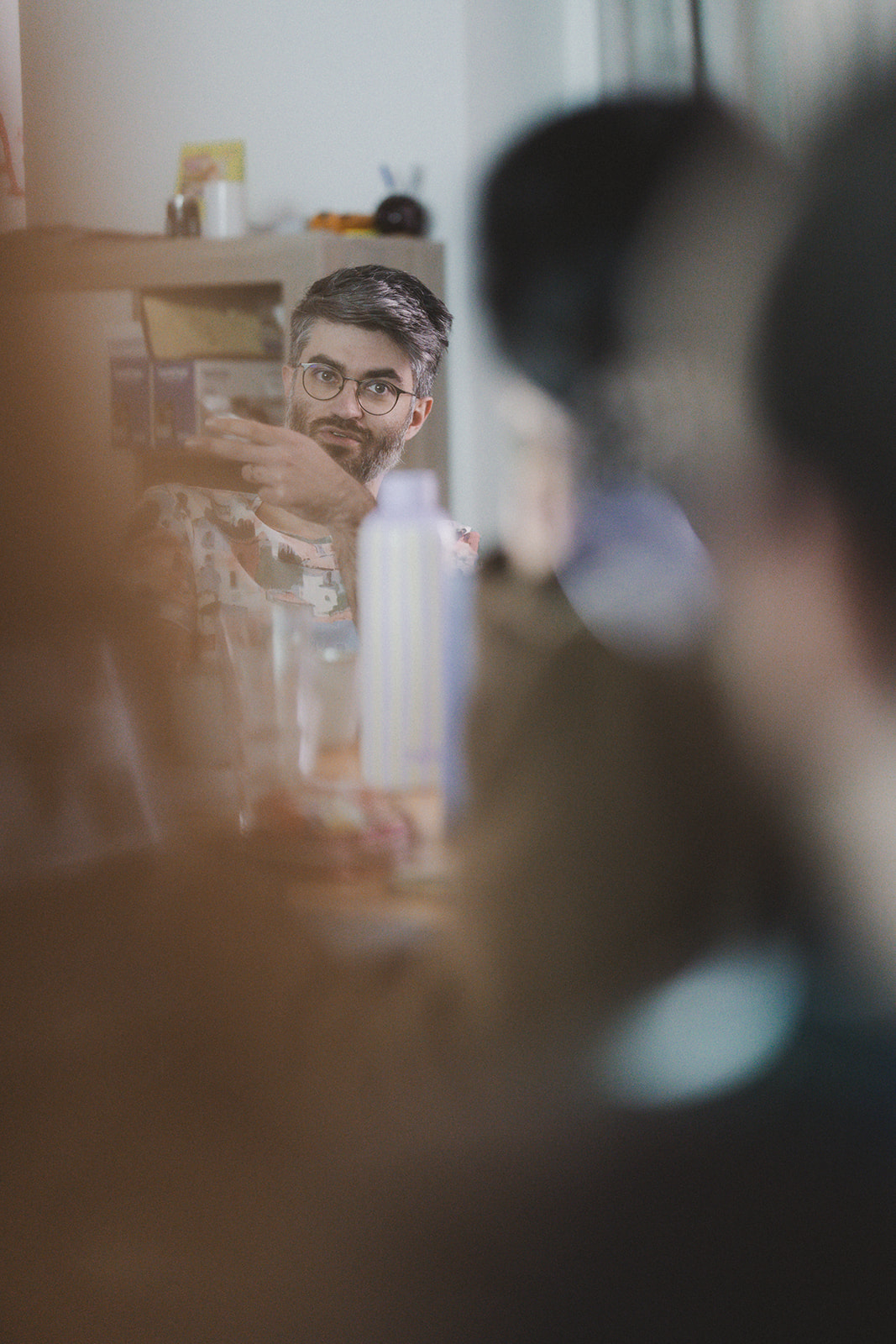
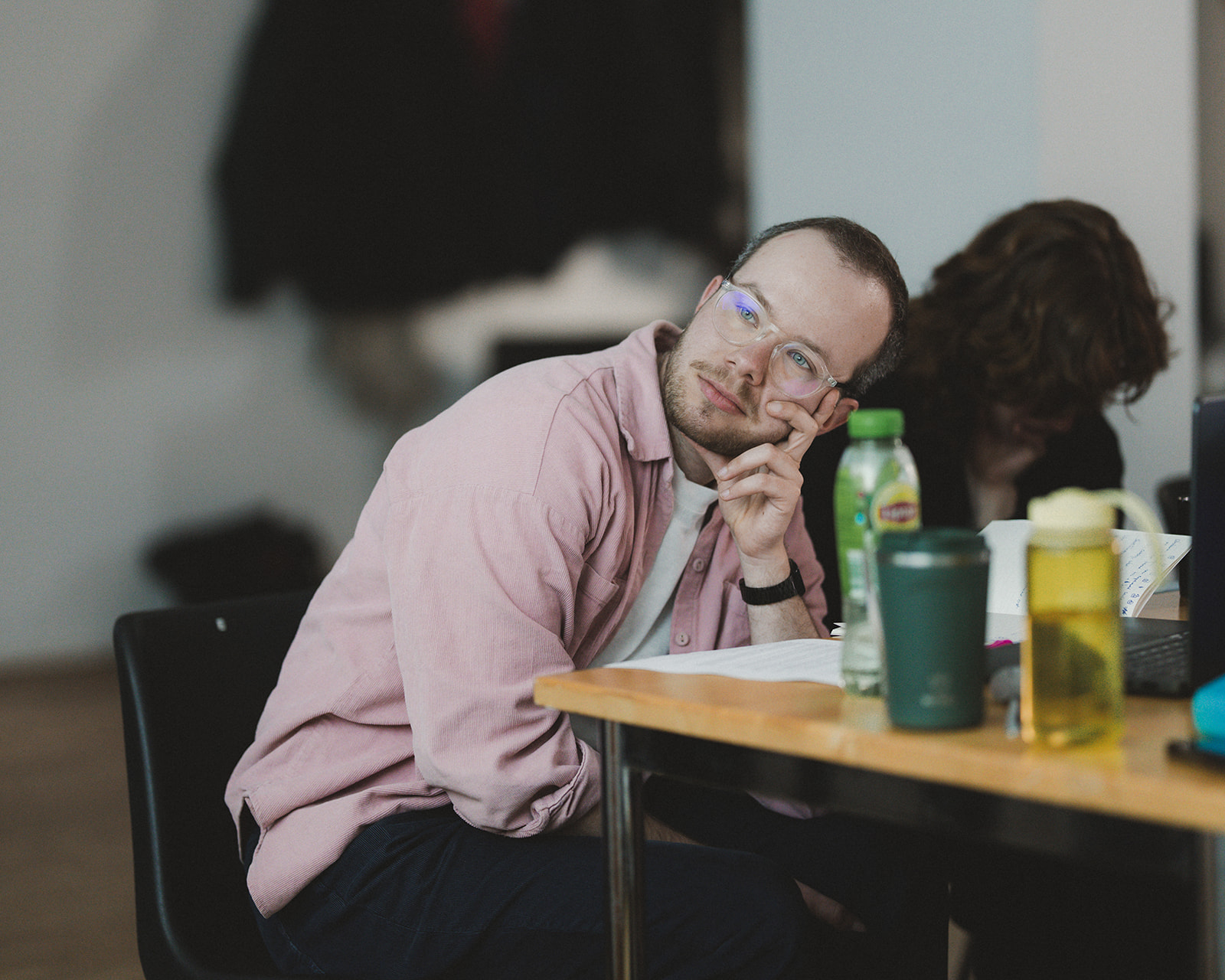
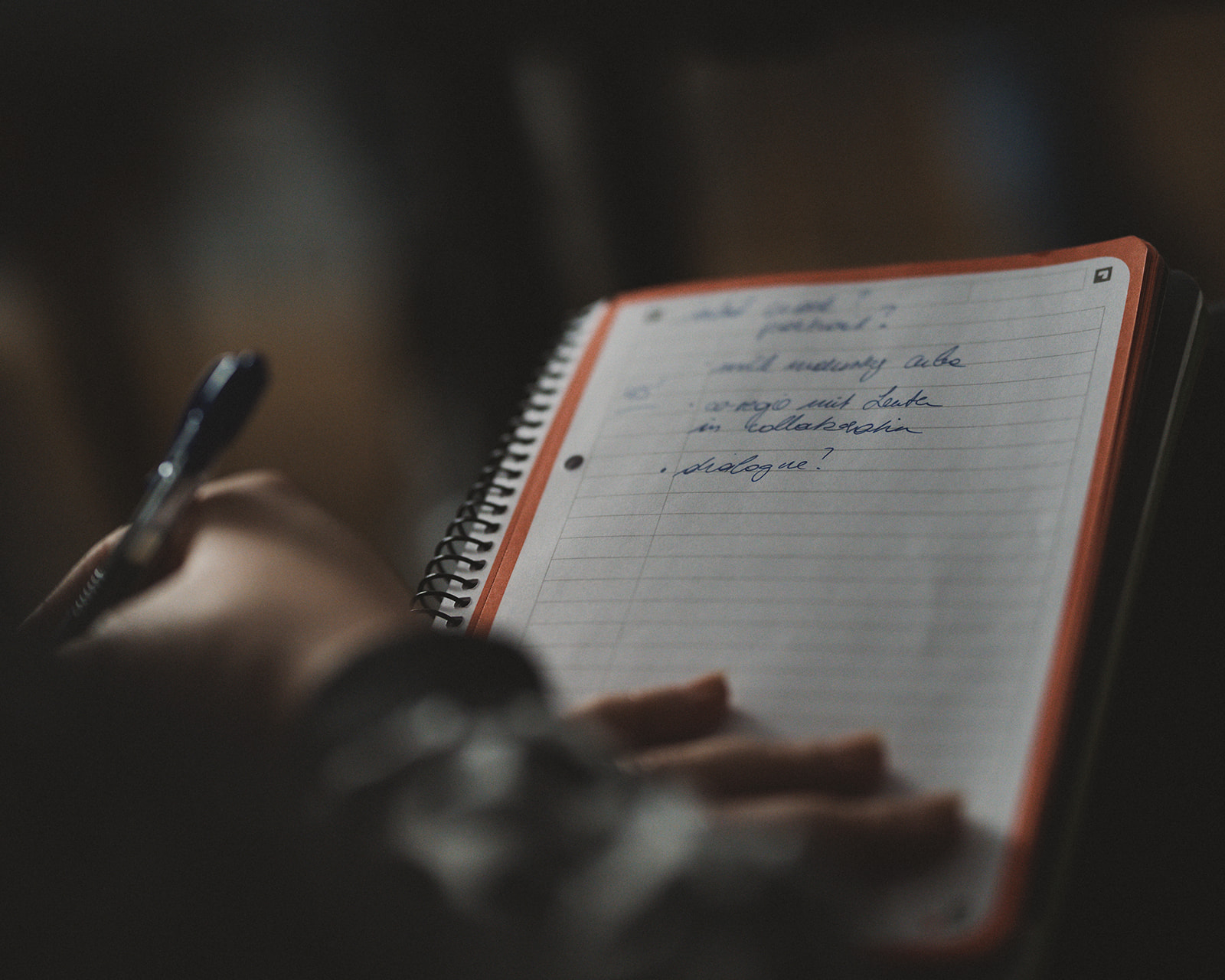
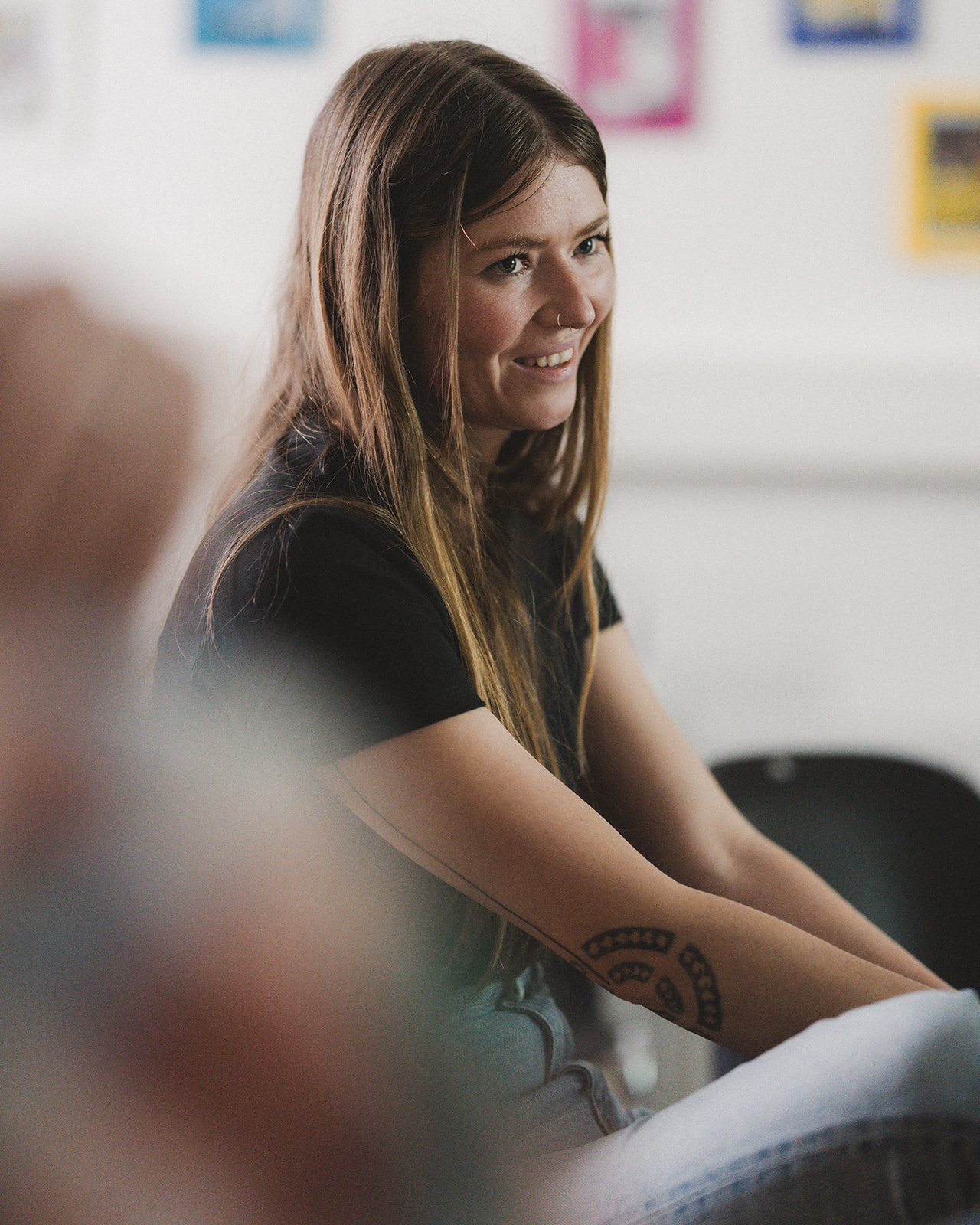
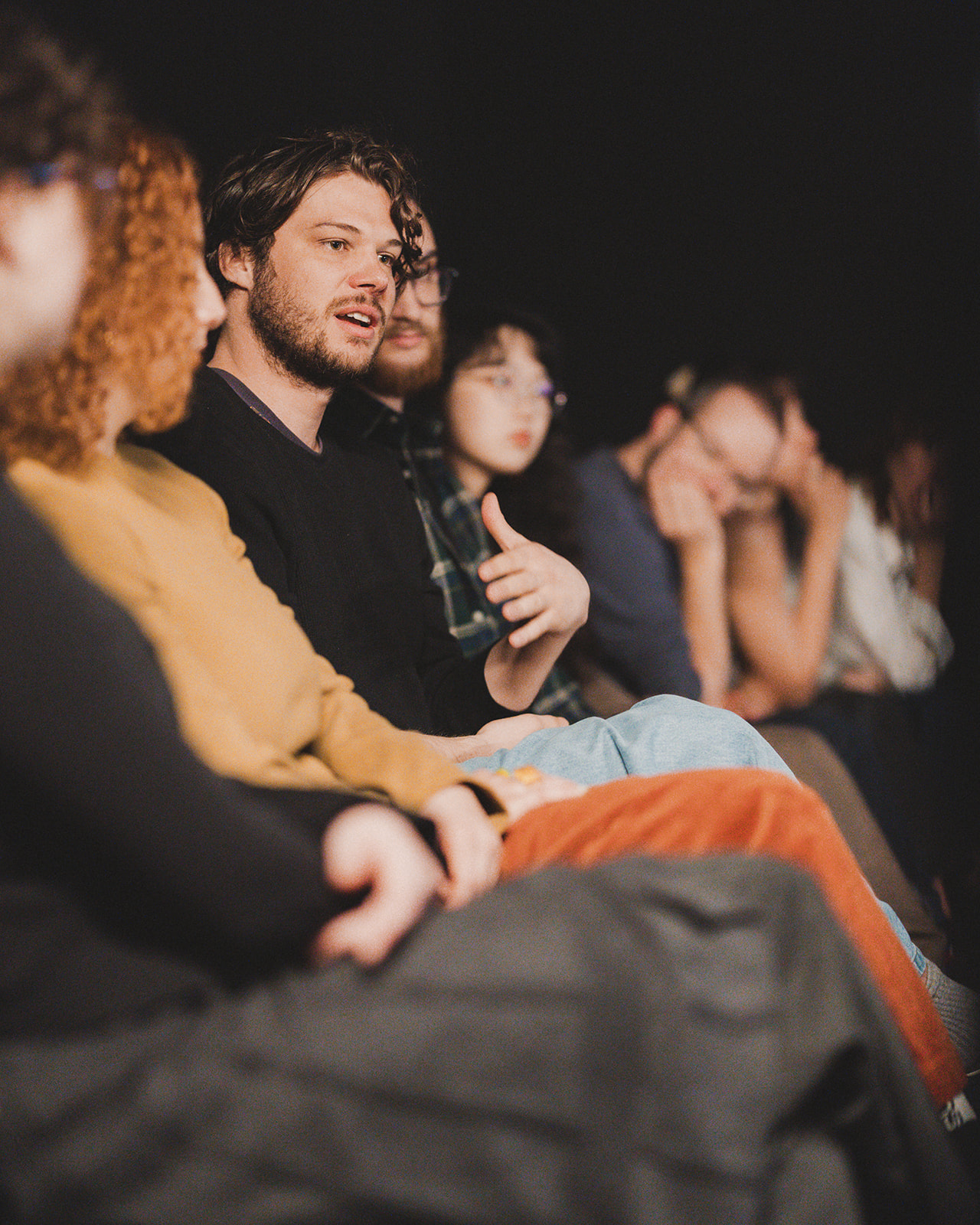
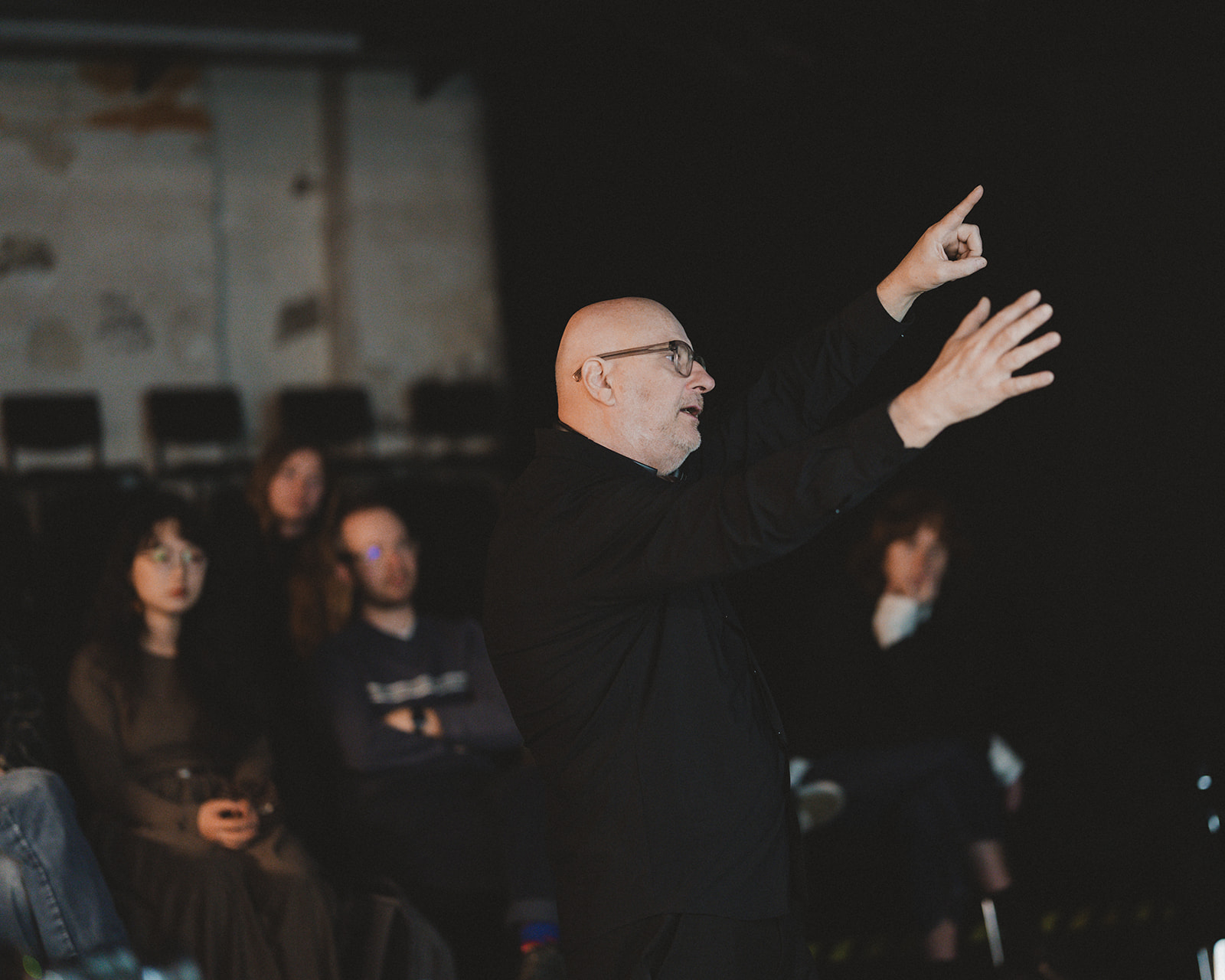
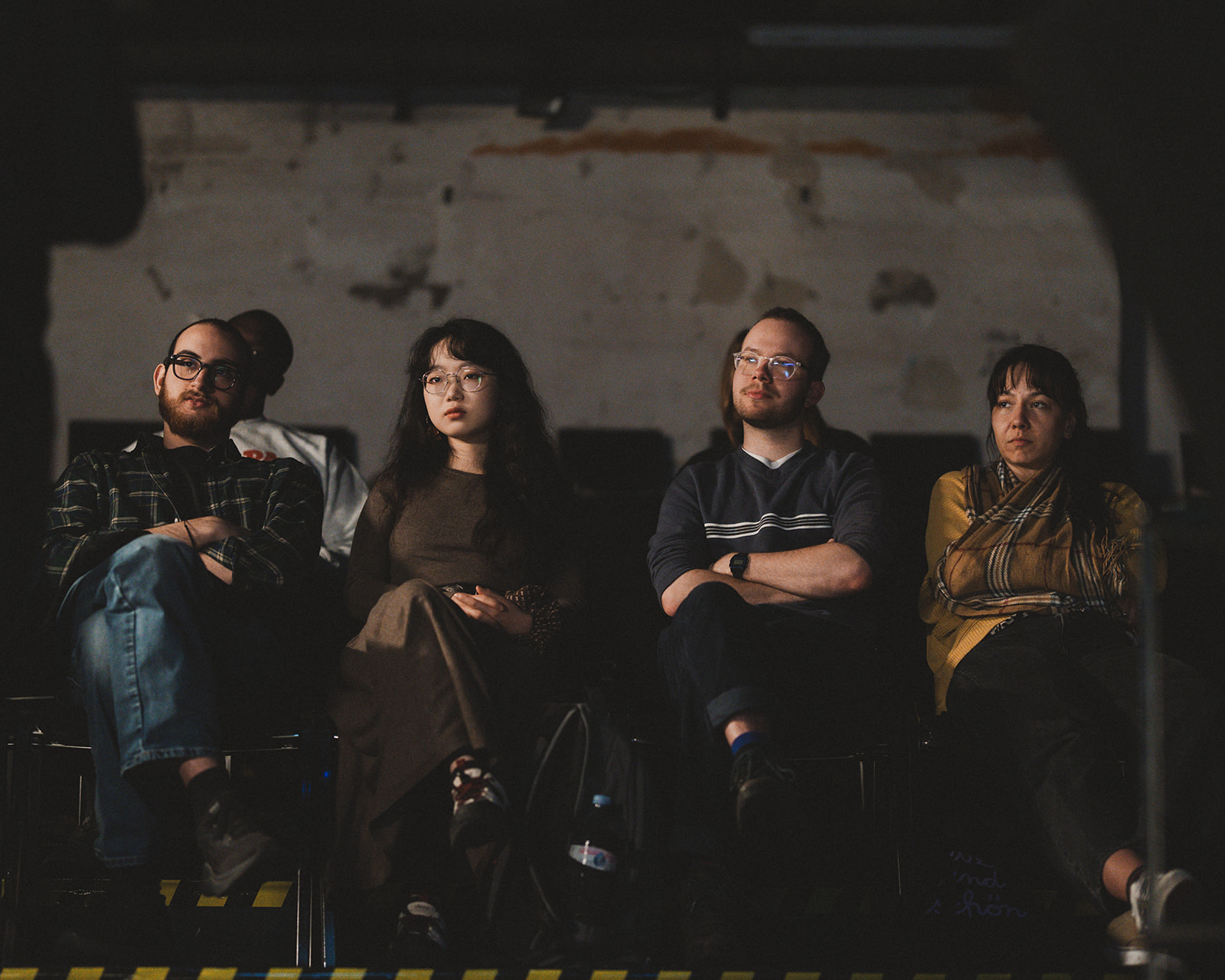
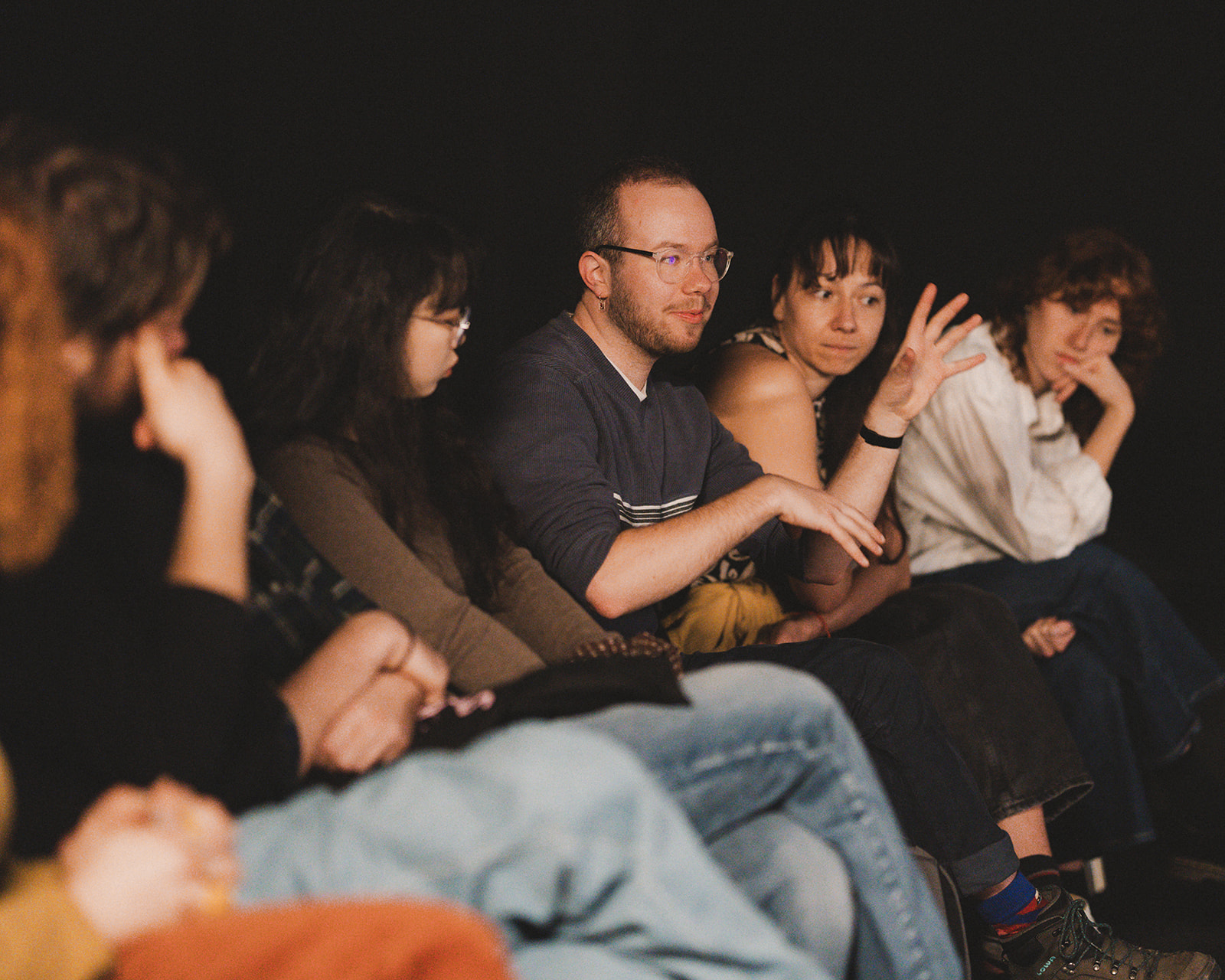
From 11-15 March 2026, ten selected talents immersed themselves in the Film Campus edition DIAMETRALE. Through workshops, seminars and networking events, the participants were able to gain valuable insights into several aspects of the film industry, deepen their knowledge and skills and obtain feedback for their own projects.
experts
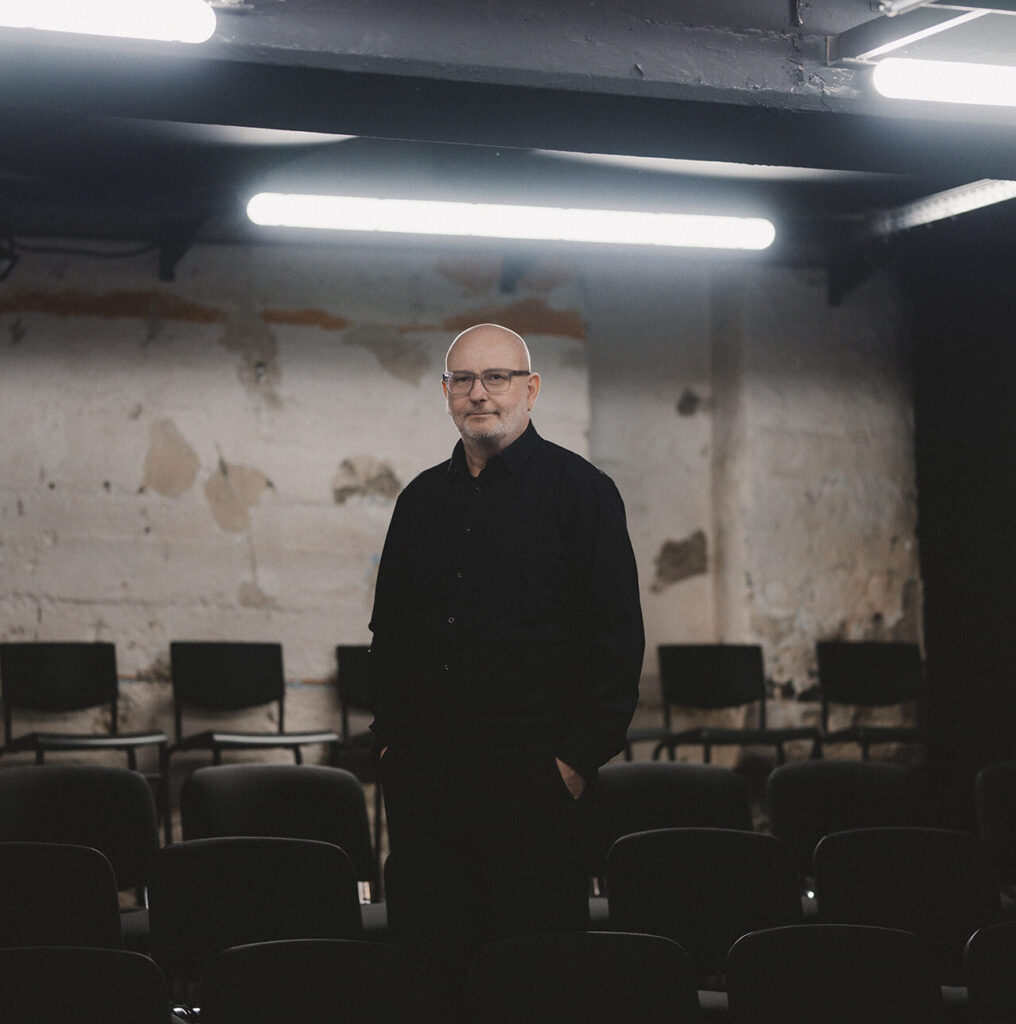
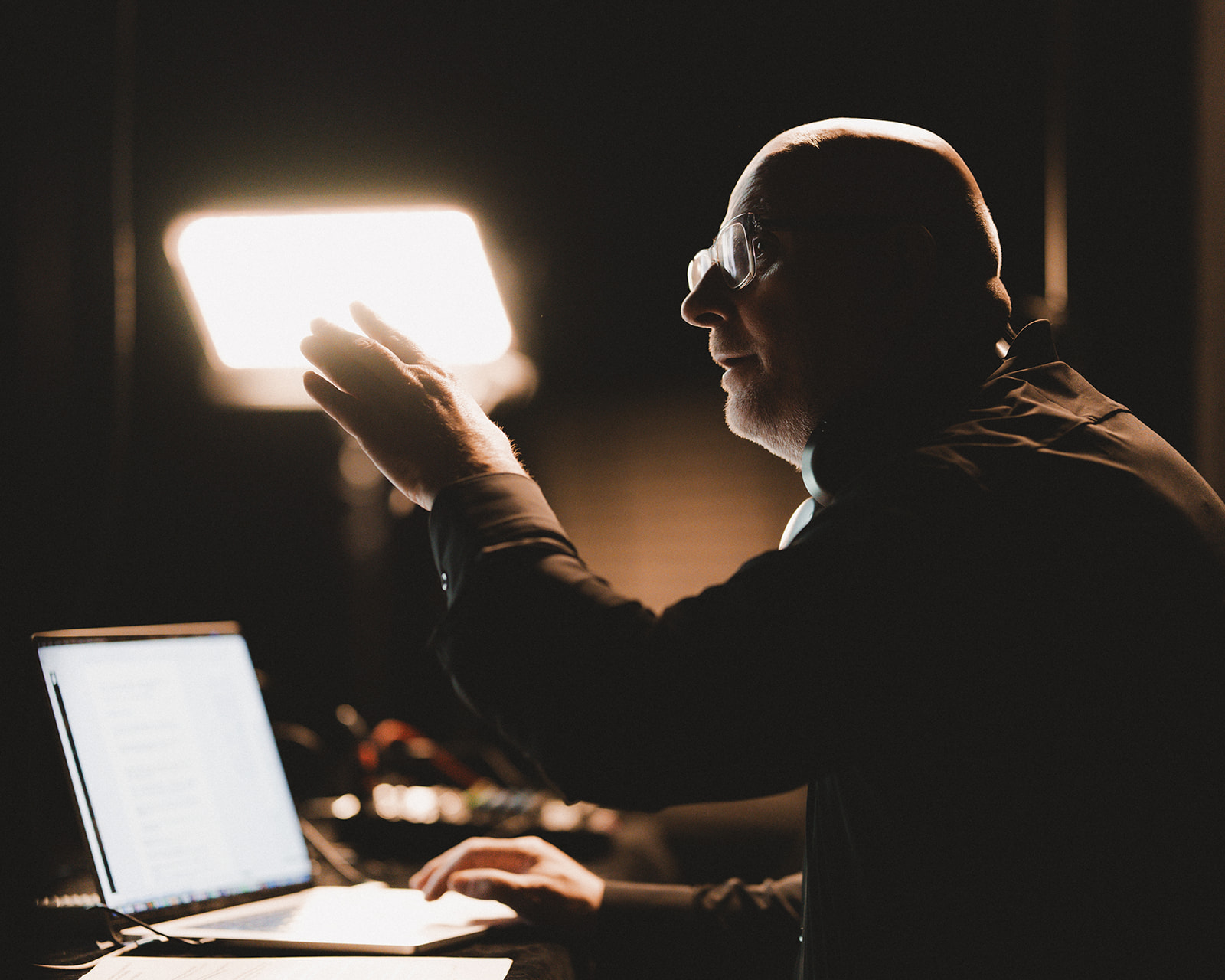
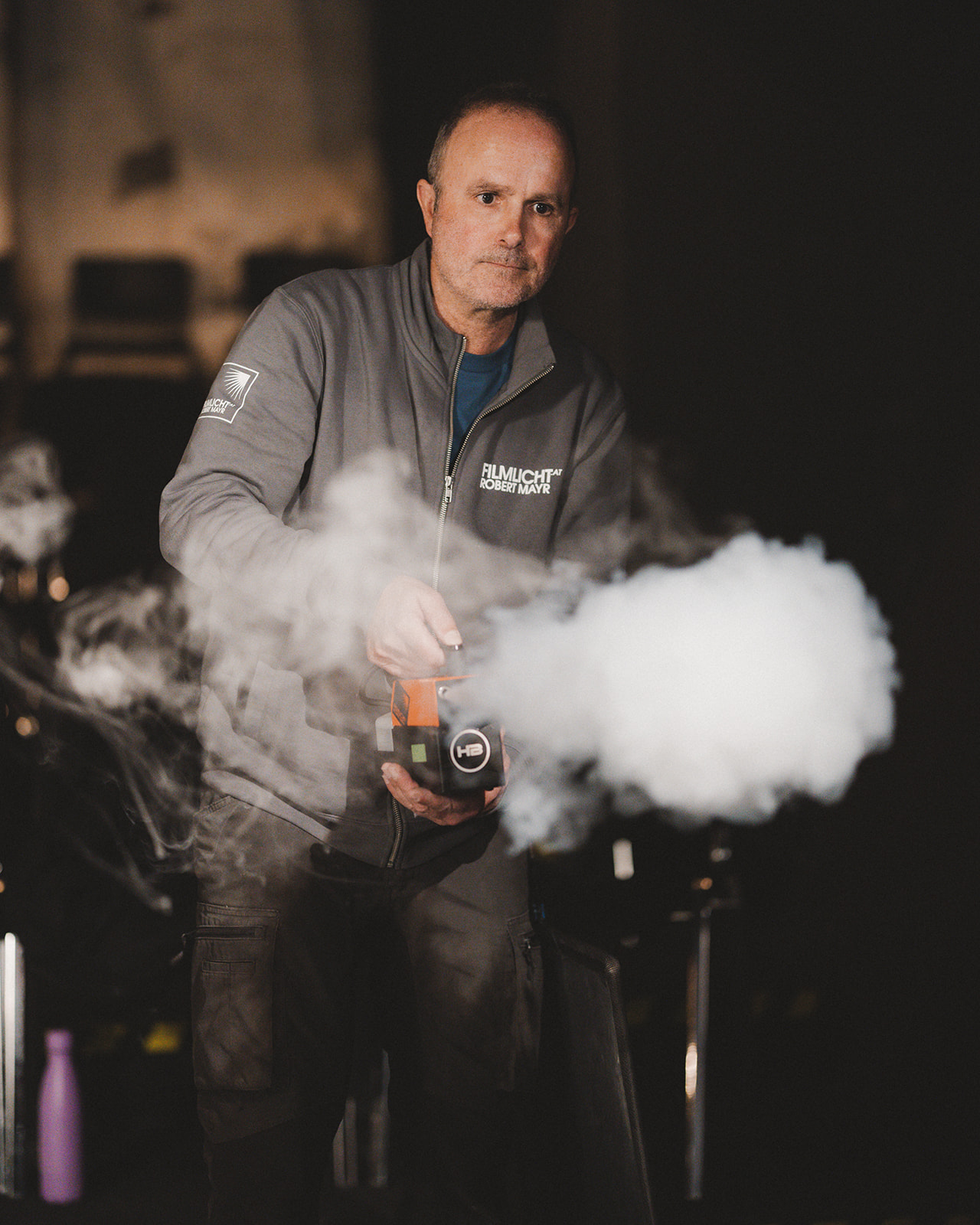
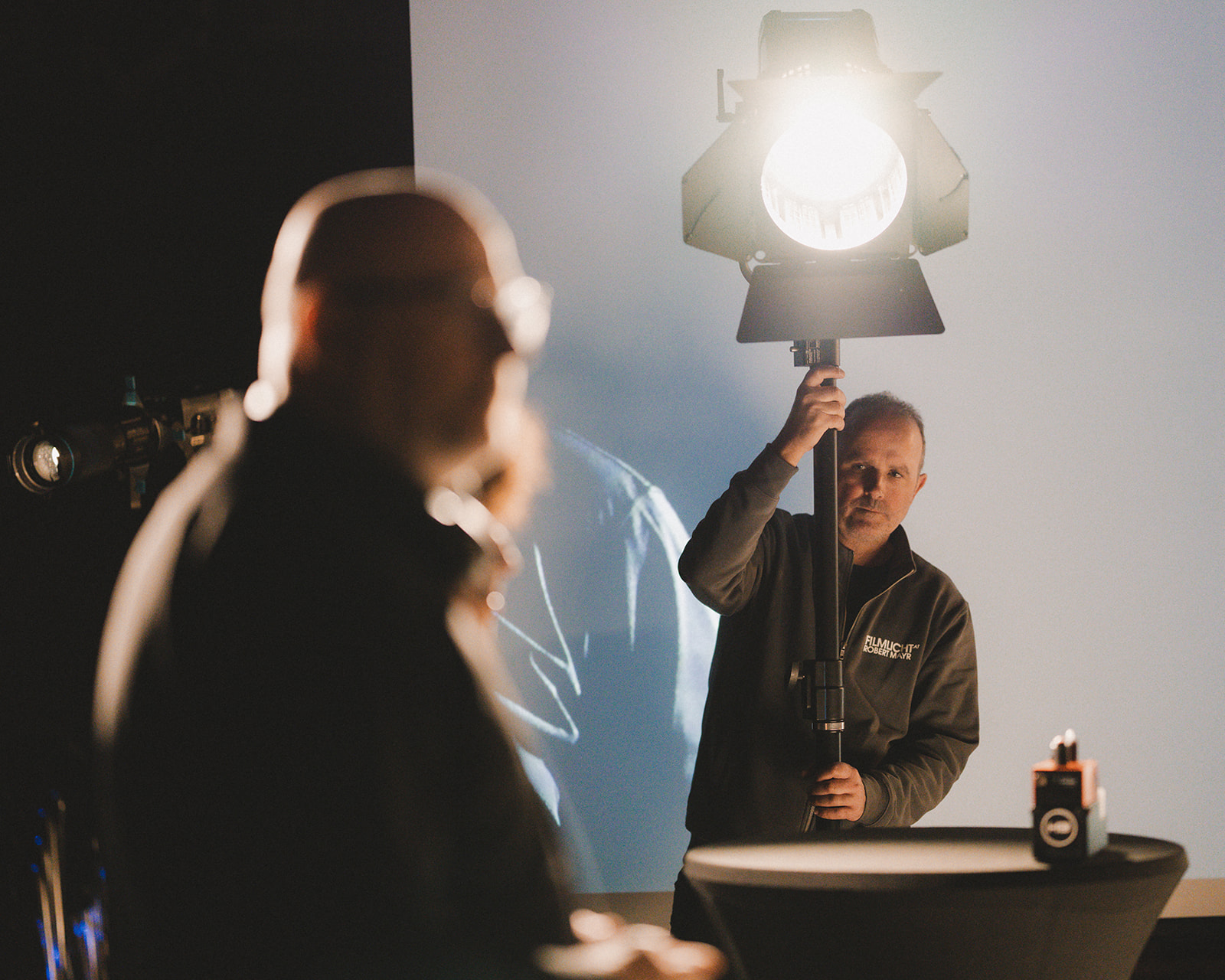
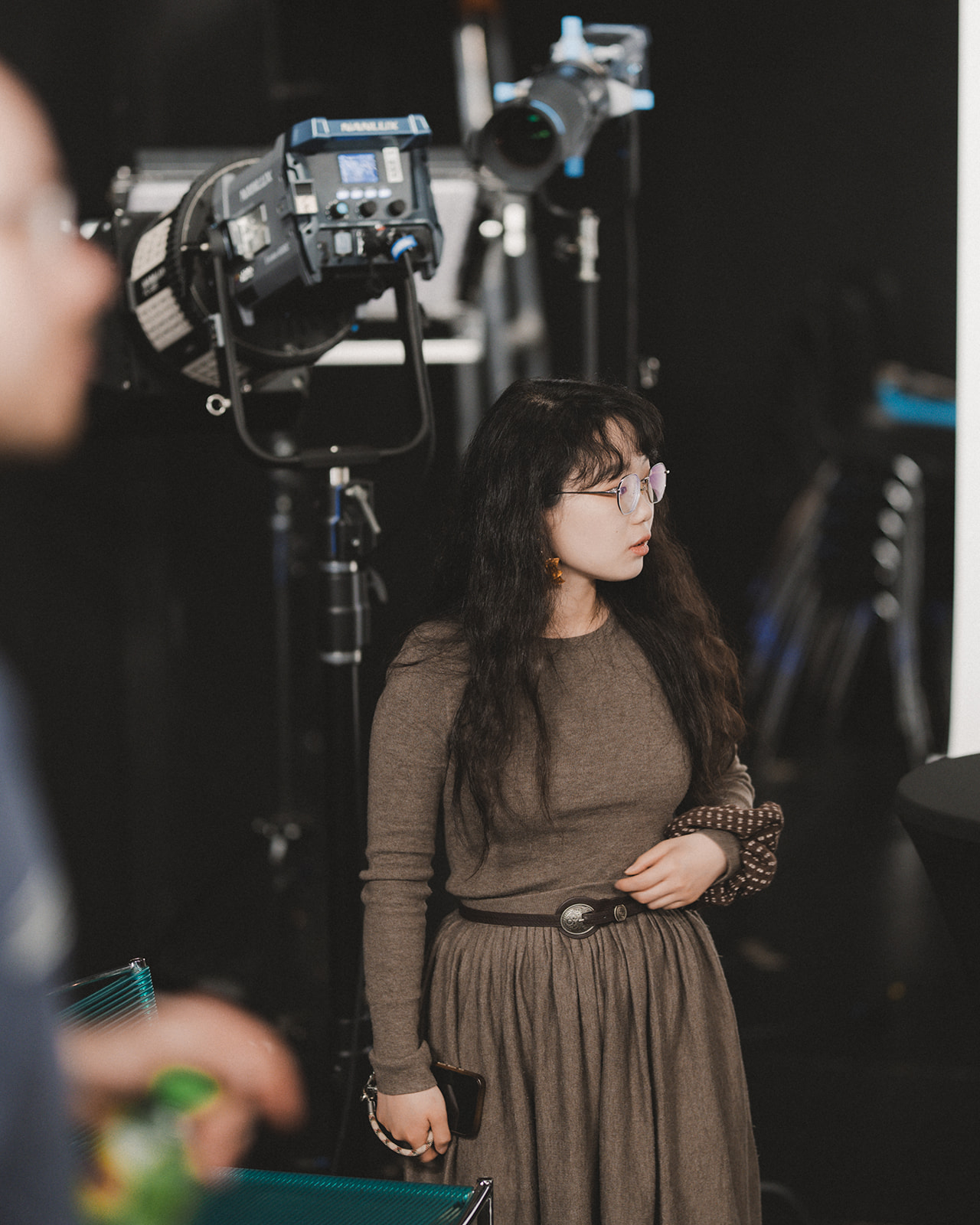
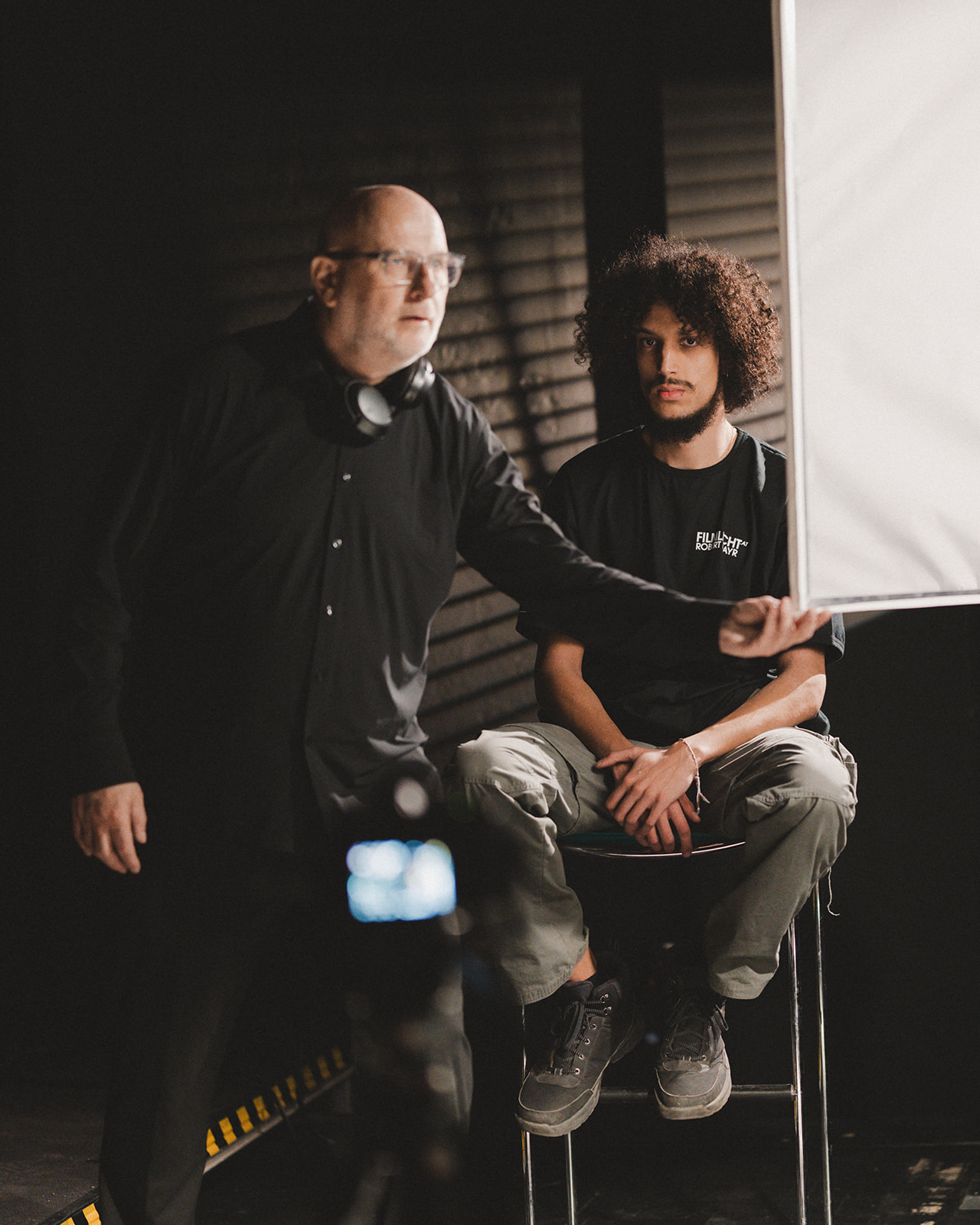
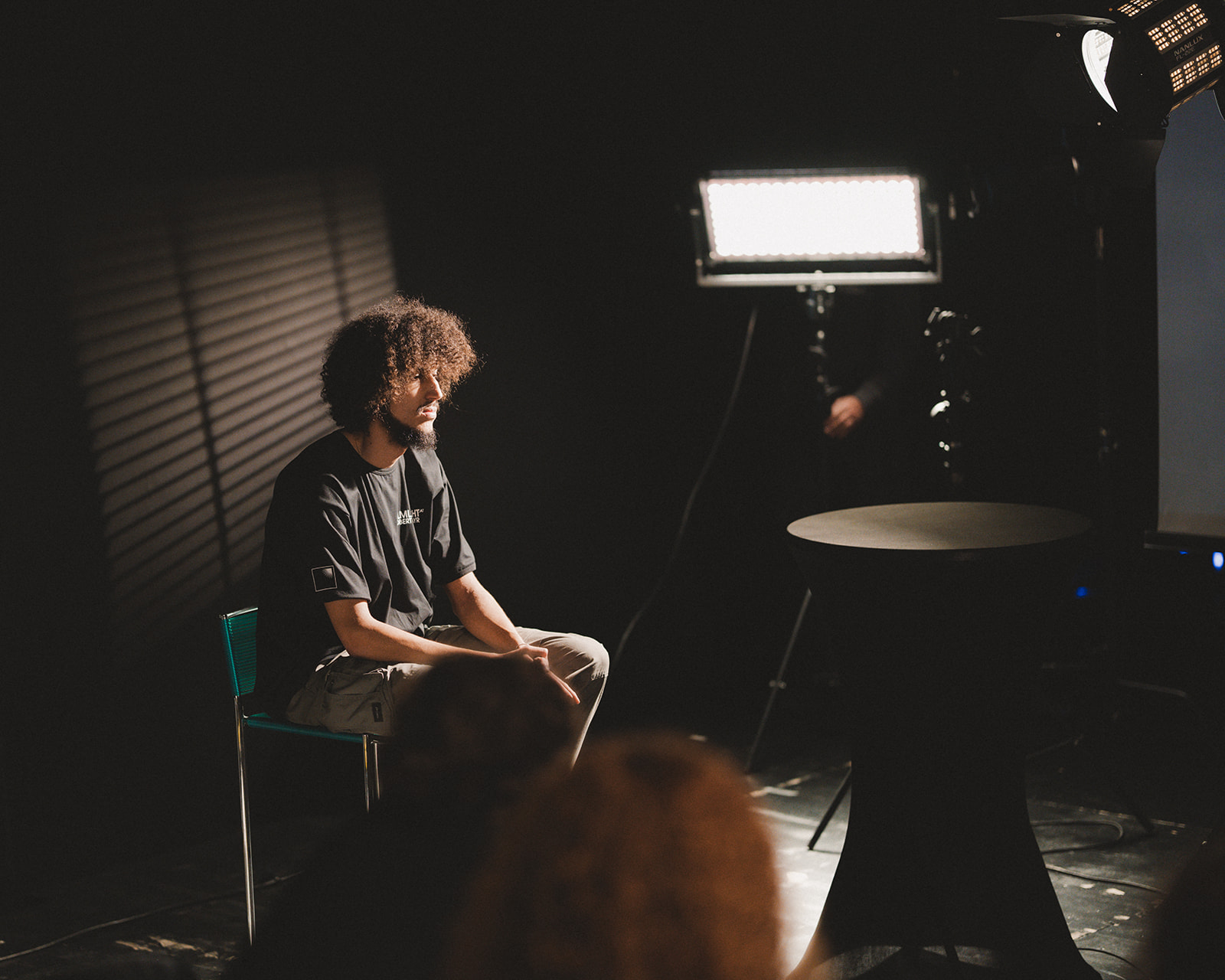
A two-and-a-half-hour workshop. One room. A handful of lamps. And in the end, everything looks better than before—even rubbish. This workshop is not a feel-good course for romantic candlelight lovers. It‘s about lighting design and lighting technology for current film shoots and beyond the mainstream, for film shoots with little time and little budget as usual—but with a big impact. Talk about light before you talk about cameras. And about thinking before you set up. Because one thing is certain: if you don‘t think about dismantling while you‘re setting up, you‘ll be left standing alone in the fog at night.
Voxi Bärenklau lives and works as a cinematographer in Vienna and Berlin. From 1984 to 1990, he studied film at the University of Art and Design in Offenbach under experimental filmmakers Werner Nekes and Helmut Herbst. Since 1989, he has worked as a cinematographer on film and television productions for directors such as Helge Schneider, Christoph Schlingensief, Uli Lommel, and Adolf Winkelmann. From his first shoots in 1987 for Christoph Schlingensief until Schlingensief’s death in 2010, he was his constant companion and close artistic collaborator. In 1999, he worked as chief lighting technician for Michael and Florian Ballhaus on Martin Scorsese’s Gangs of New York at Cinecittà Studios in Rome.
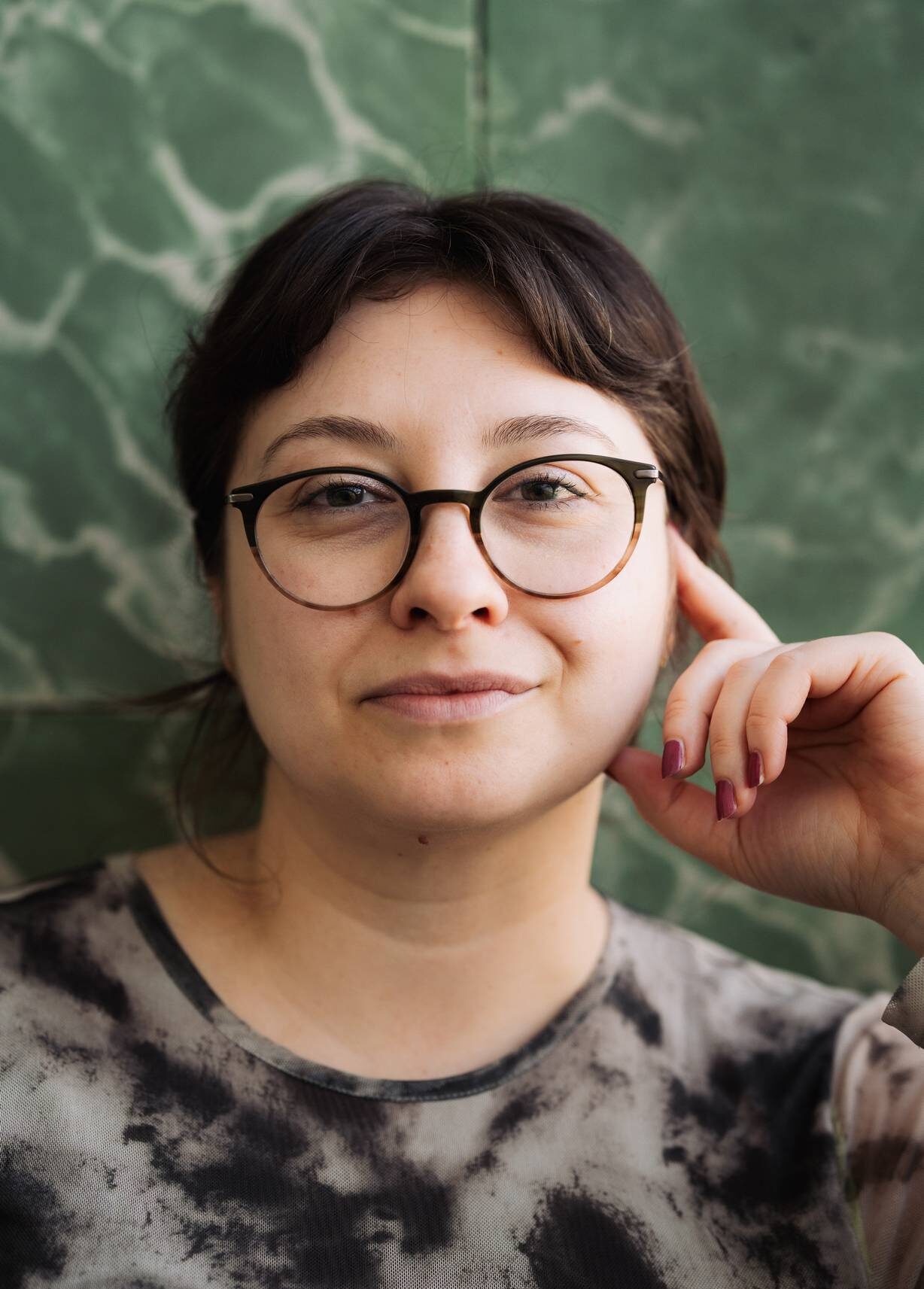
After the demanding task of making a film, facing the question of how to distribute it can be even more challenging to overcome for filmmakers. In addition to the thousands of festivals that already exist and numerous others that are newly established every year, it is difficult to find your way around. Premiere requirements and VOD releases don’t make it any easier. How can you manage your film – and your expectations – in these uncharted waters? A festival strategy can help to find the right festivals for your film and make distribution easier. In this session a step-by-step guide and best practice examples will hopefully help and make the path to festival glory a little bit clearer.
Marija Milovanovic is a cultural manager and curator based in Vienna (Austria). Since 2008 she’s is working for Vienna Shorts, Austrias only Oscar® qualifying film festival where she’s co-head of the international competition Fiction & Documentary. In 2018 she co-founded LEMONADE FILMS, a film festival distribution agency for Austrian short films and mixed media projects. Since 2021 she’s festival director of the Video & Filmtage, the youth film festival in Vienna and she joined the selection committee of Berlinale Generation (short film section).
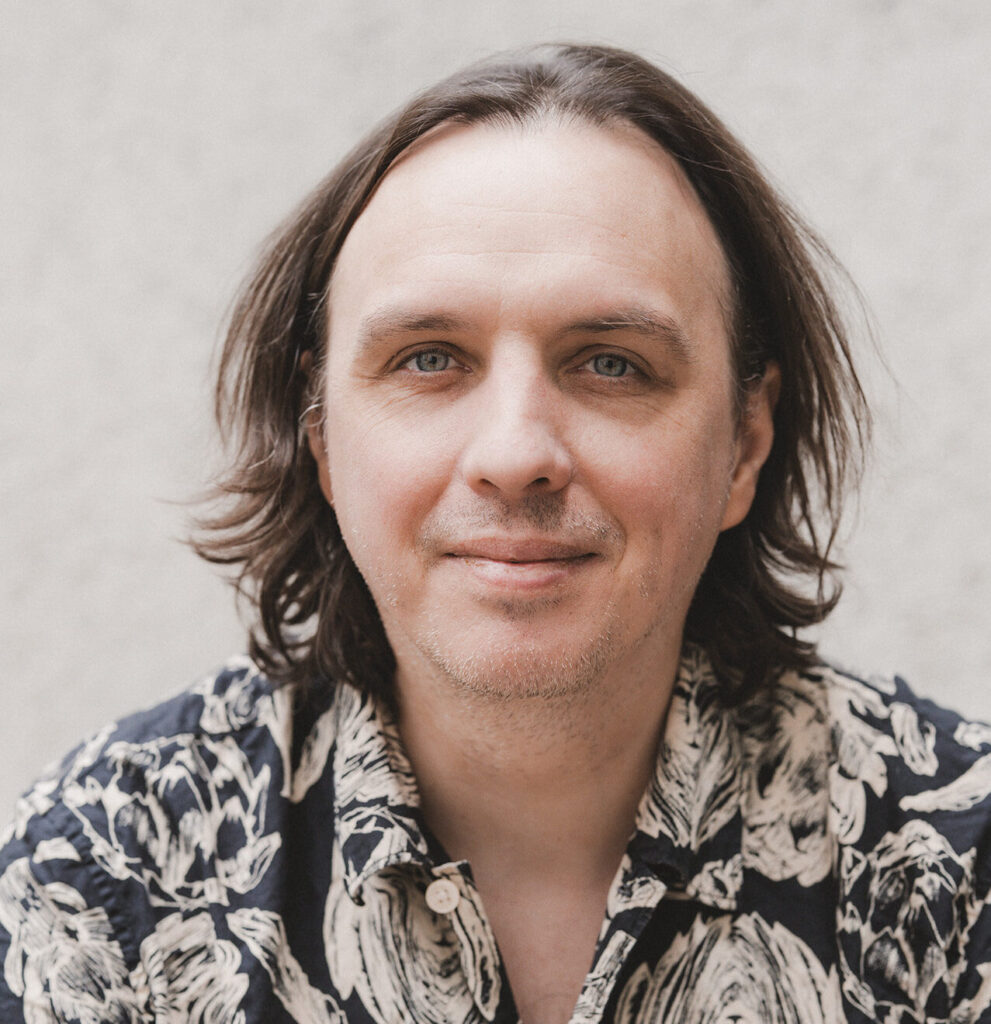
The lecture will begin with a discussion of his thesis project, a short film that required considerable effort to complete and with which he ultimately felt dissatisfied. He will reflect on what he may have learned from the experience and explain why he preferred another short project—one he completed in a single day without any funding. In the second part of the lecture, he will turn to his film Der tote Winkel der Wahrnehmung, focusing in particular on his work with found footage and the use of different video formats as stylistic devices.
Michael Gülzow (born in Kiel in 1982) studied media art and experimental film at the Academy of Fine Arts Vienna and at the Muthesius University of Fine Arts and Design in Kiel. He lives and works as a freelance artist and filmmaker in Vienna.
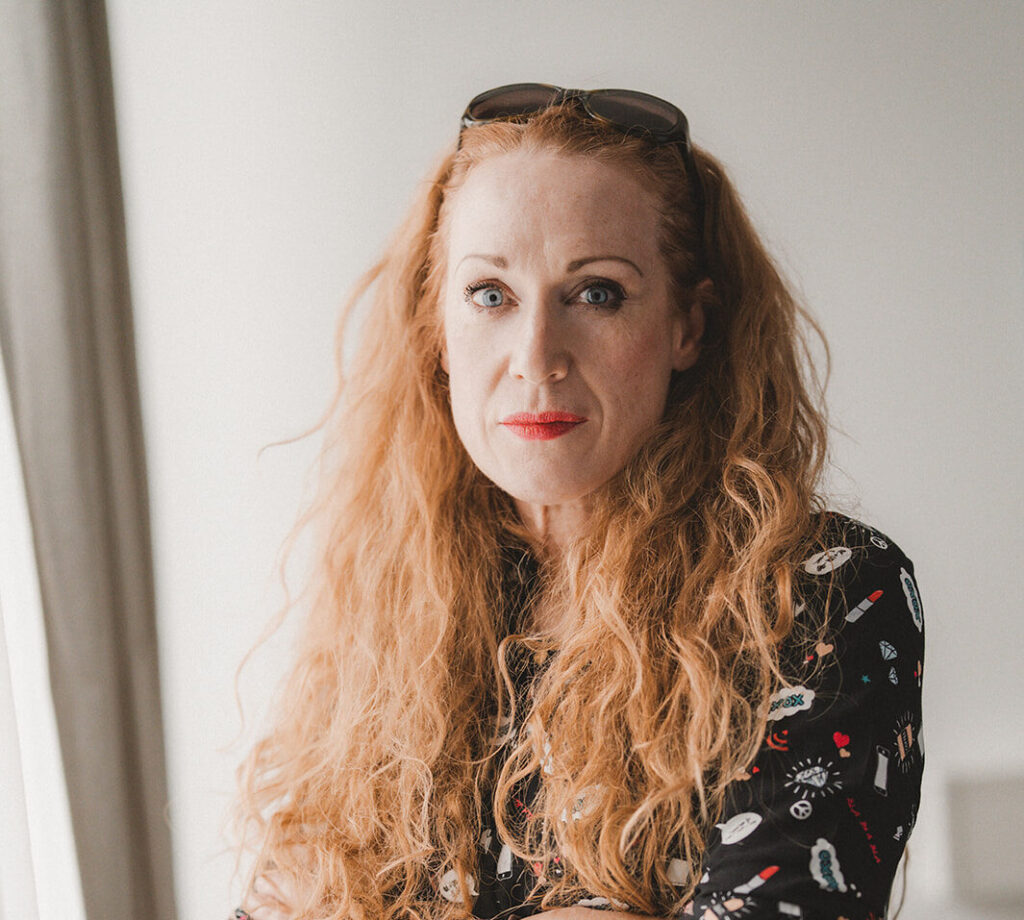
In this lecture, she will present her working methods in the field between documentary and fiction film, with a particular focus on collaborating with non-professional actors. She will explore how the real experiences, encounters, and biographies of the actors can be authentically integrated into cinematic narratives: Is it ethically acceptable for the protagonists to play themselves and yet have to act within a fictional framework? Using concrete examples from her film work, she will discuss trust, improvisation, and a slightly different way of filmmaking.
Tizza Covi is an Italian screenwriter, director and editor. She lived in Paris and Berlin before studying photography in Vienna. Since 1996 she works together with Rainer Frimmel on films, theatre, and photography. In 2002 they founded their own film production company, Vento Film, to produce their films independently. Without exception, Tizza Covi shoots her films in a two-person team with Rainer Frimmel. All their films are shot on 16mm with their Aaton and were realised with amateur actors.
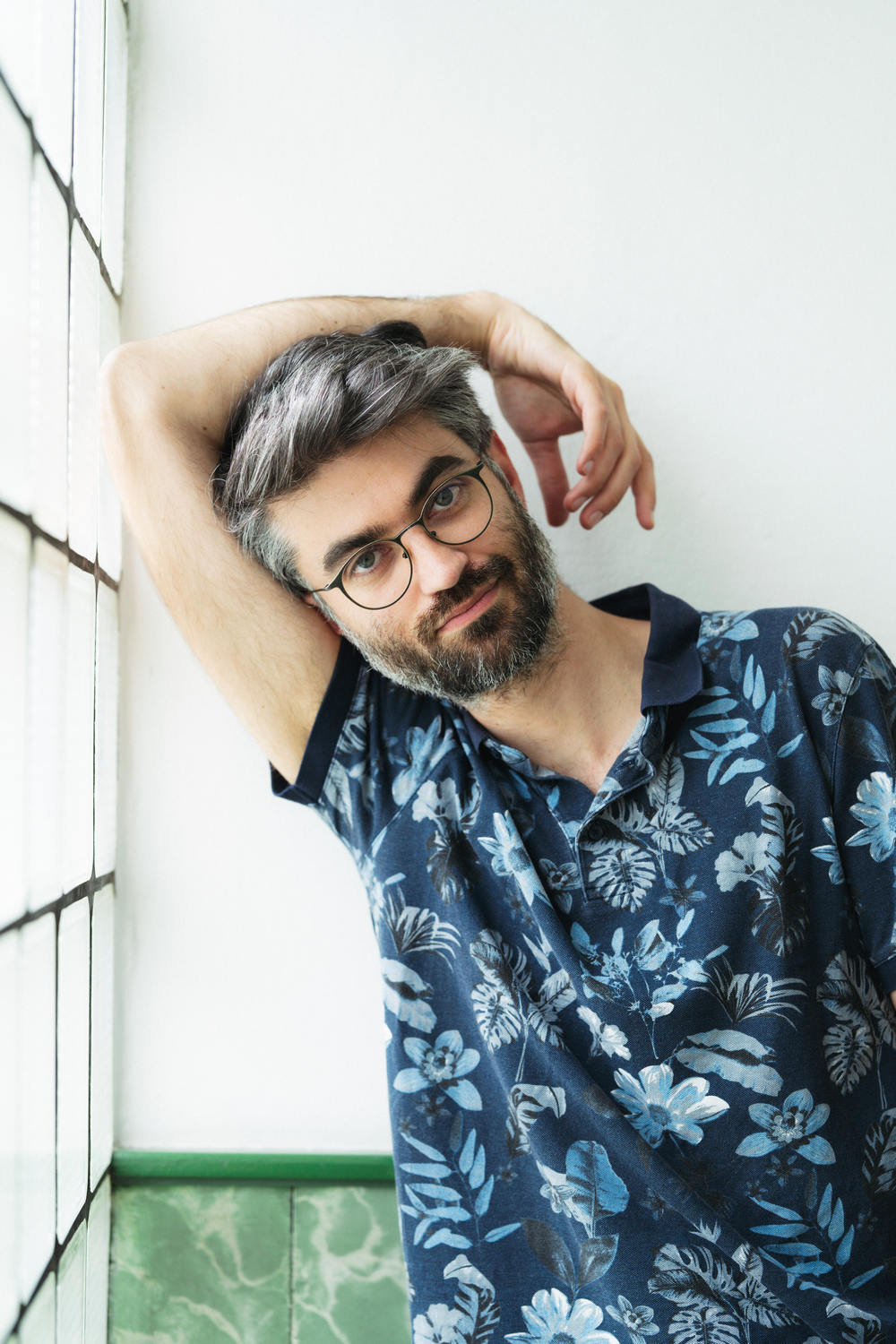
Lukas Ladner, born in Innsbruck in 1991, is a filmmaker and media artist. From 2013 to 2017, he studied film and television directing at the Film University Babelsberg Konrad Wolf, graduating with the short film TREIBGUT. His first feature-length documentary EVA-MARIA celebrated its world premiere at DOK.fest Munich and won the prize for best newcomer film at Diagonale’21. He is currently working from Innsbruck at the interface between film and video art and is researching for his second feature-length documentary.
feedback
talents
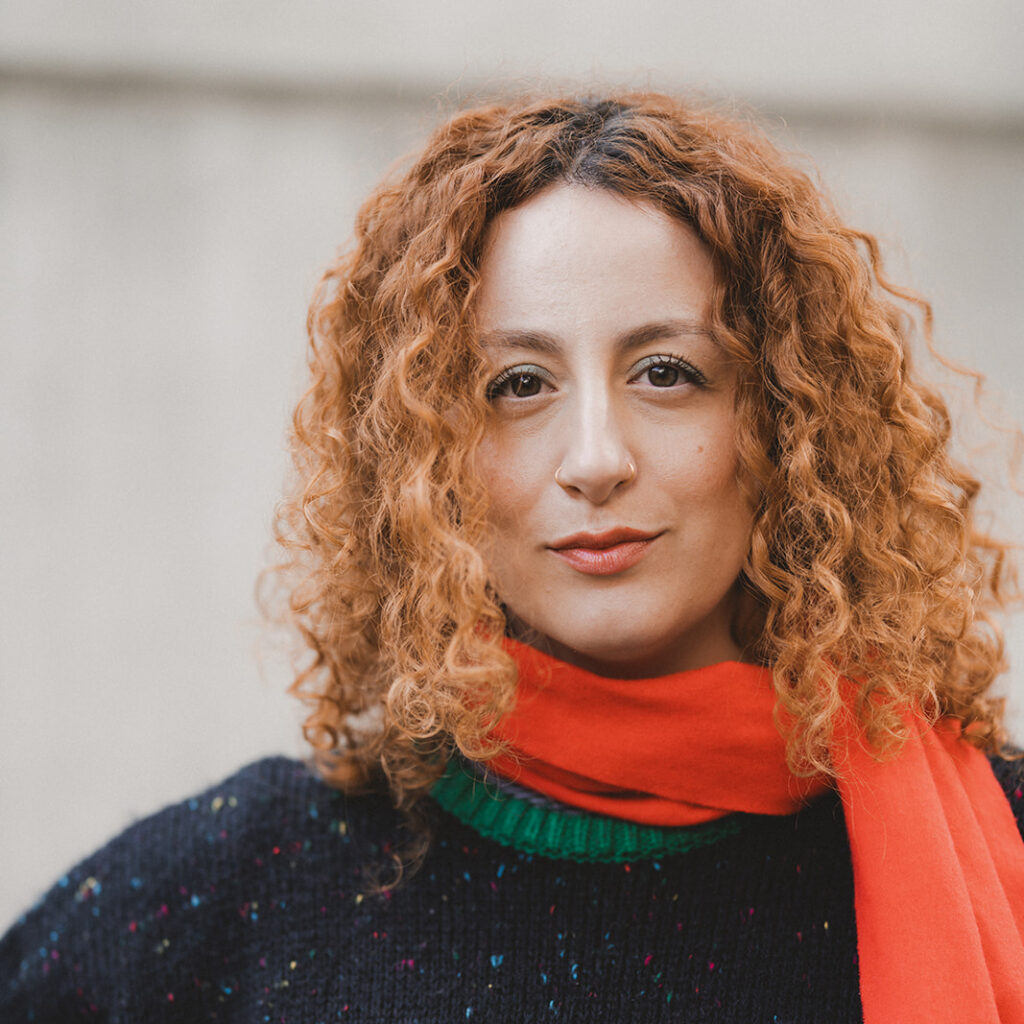
Asia Miralli
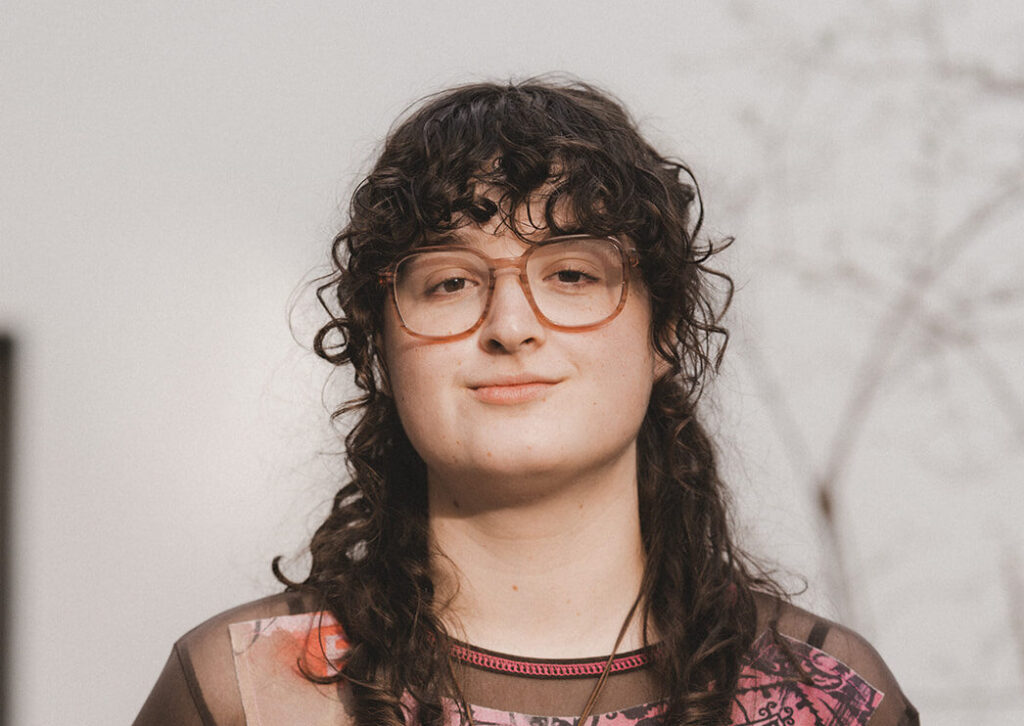
Fien Dockers
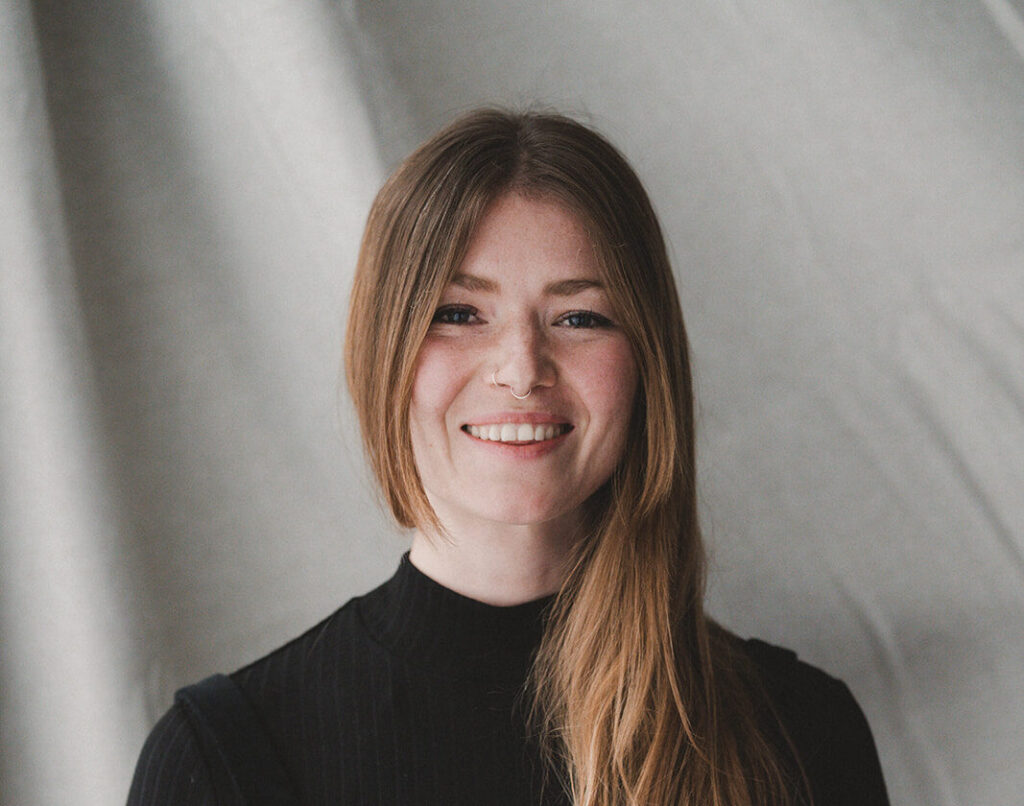
Franziska Nössing
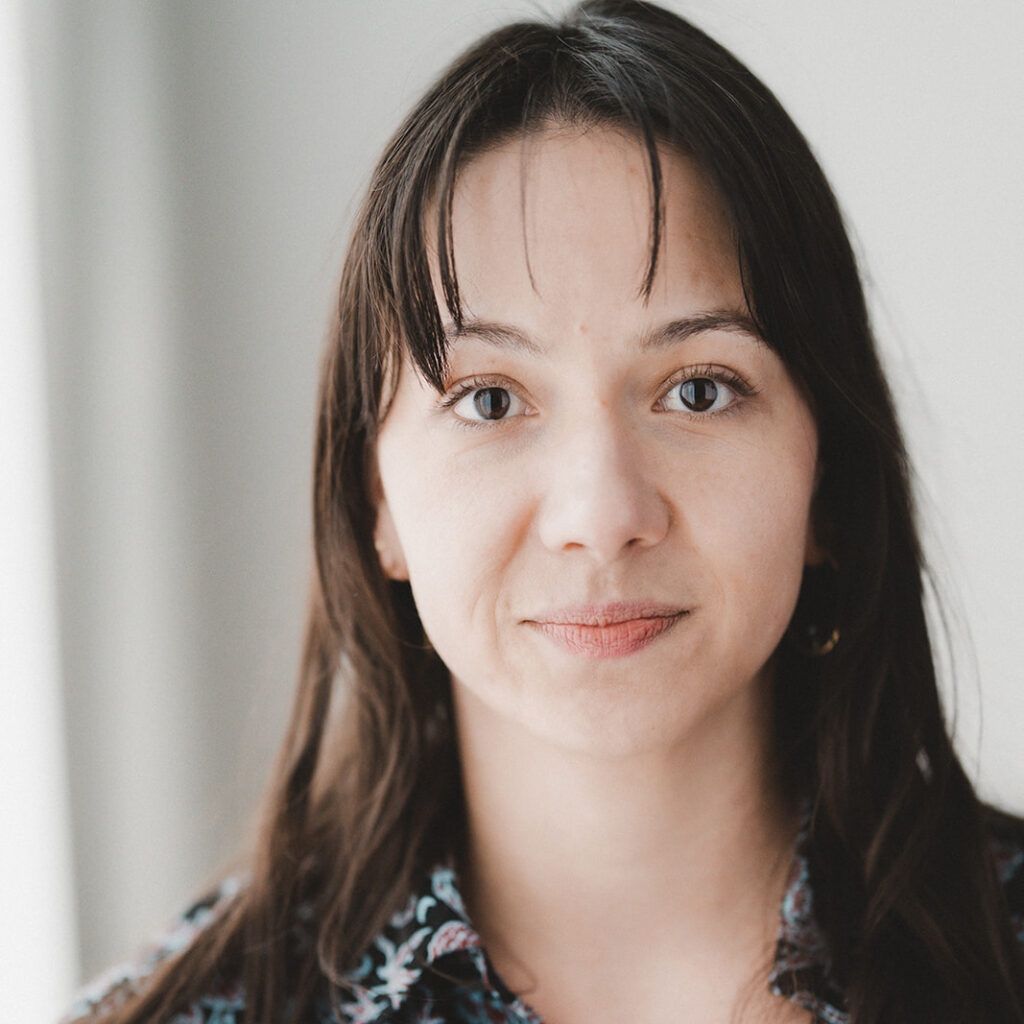
Isabella Friedl
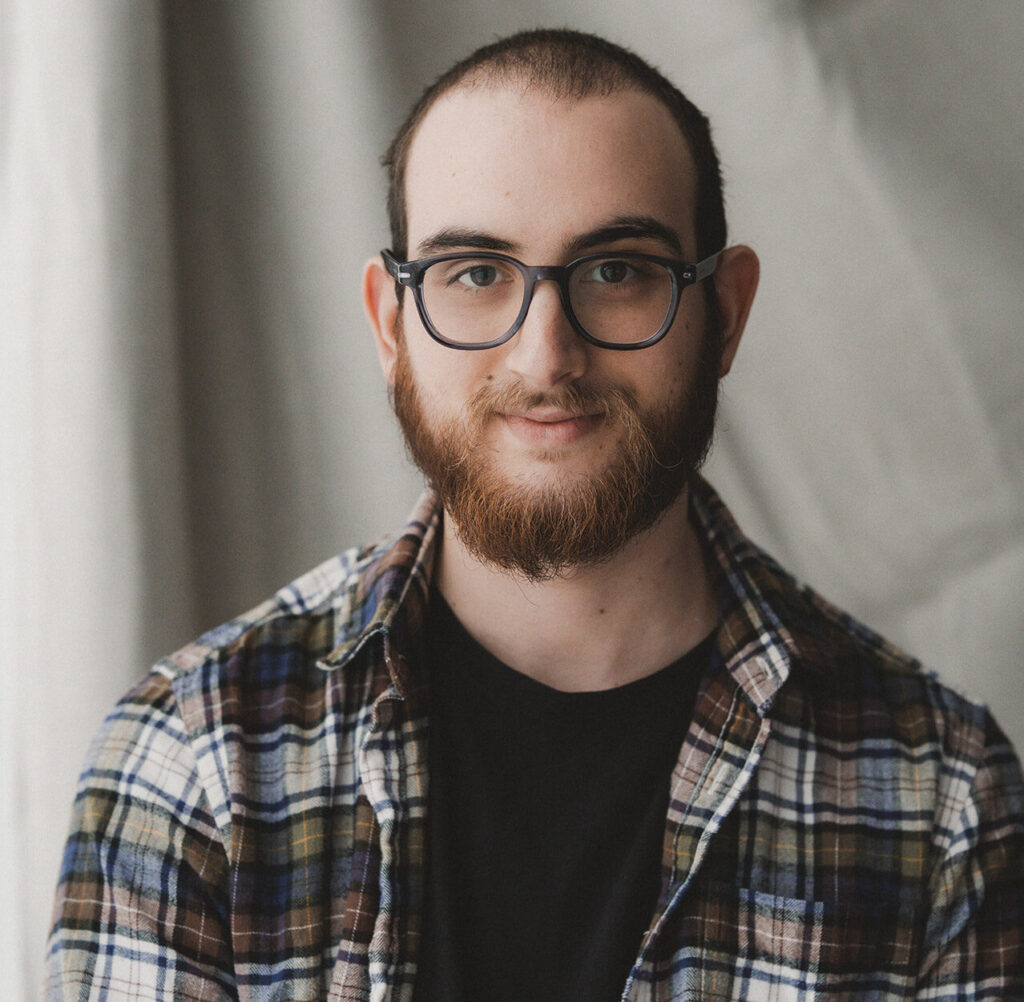
Lorenzo Enrico Lemmo
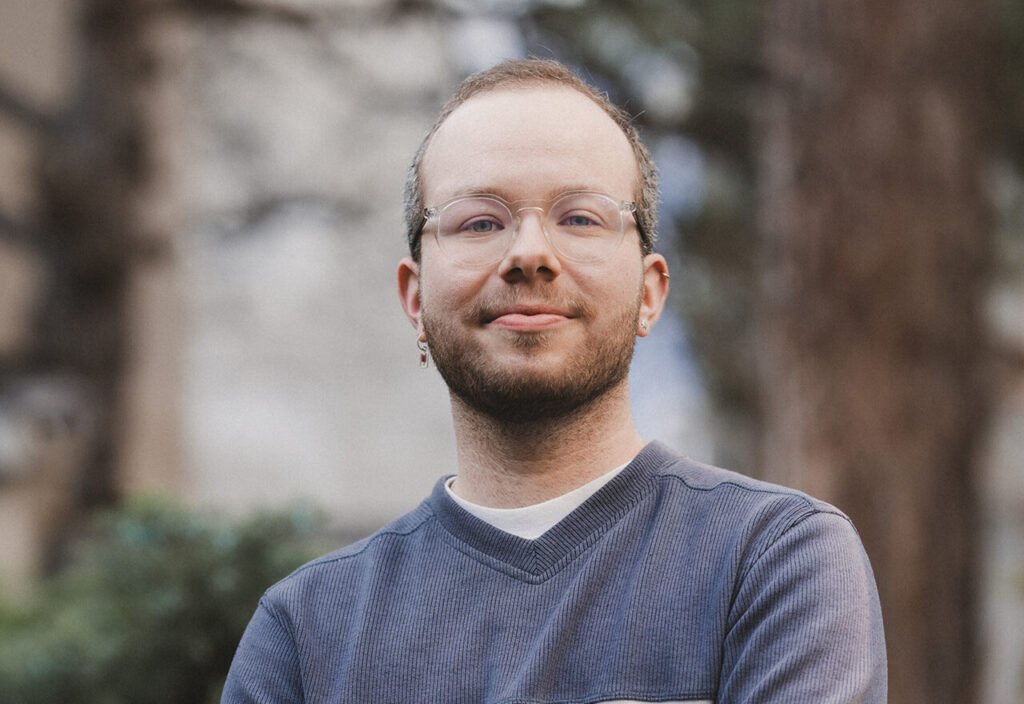
Niels Bierhaus
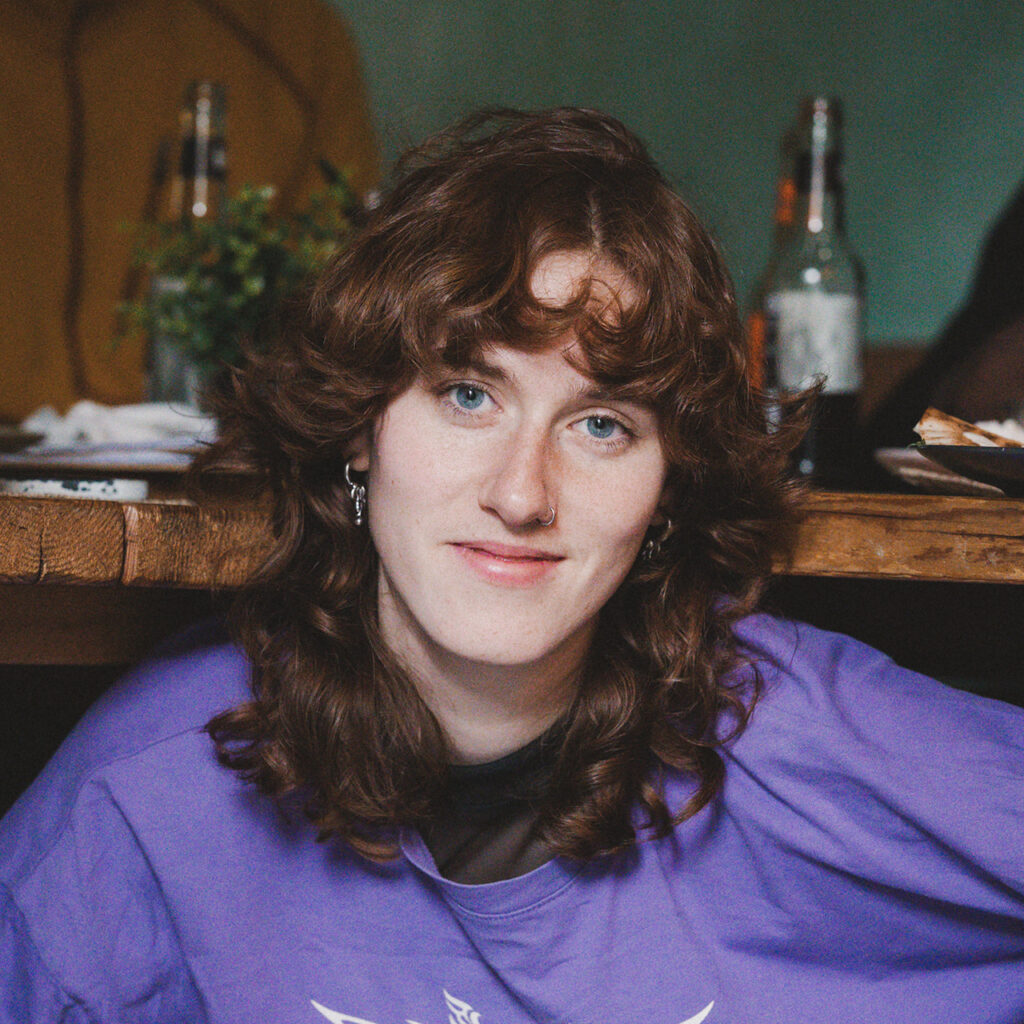
Hanna Kortus
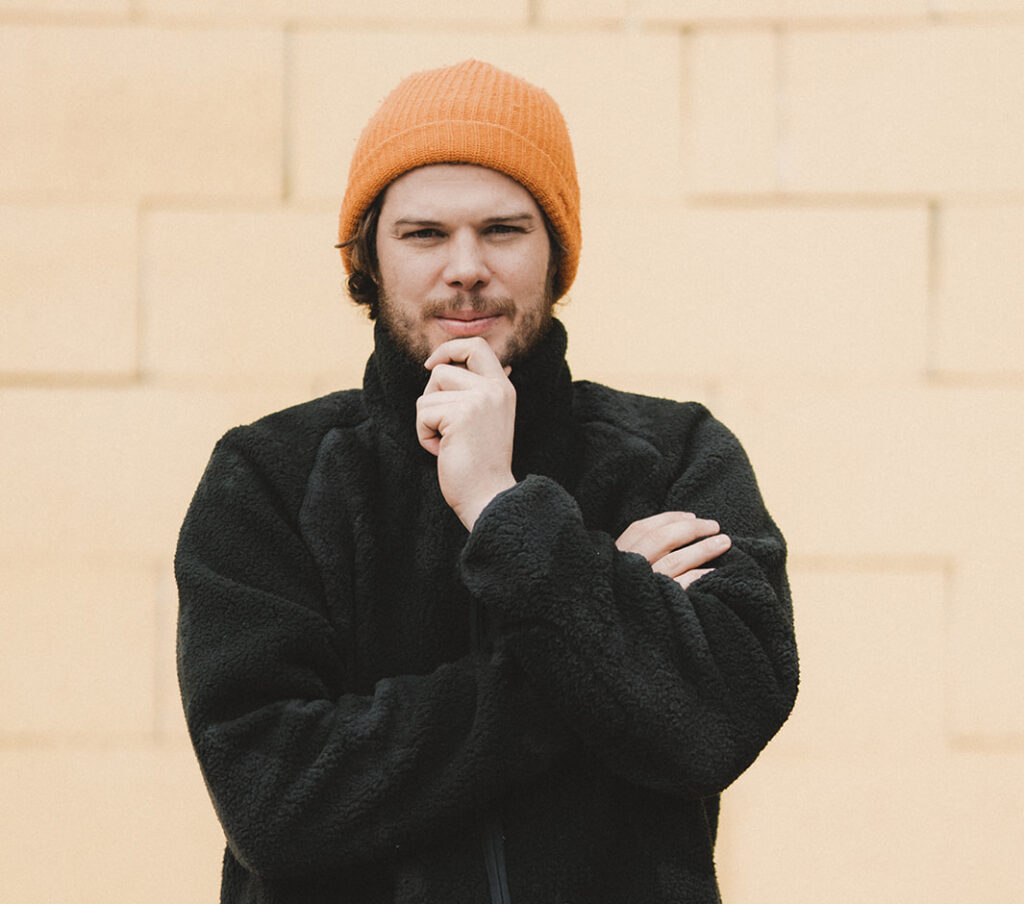
Raphael Webhofer
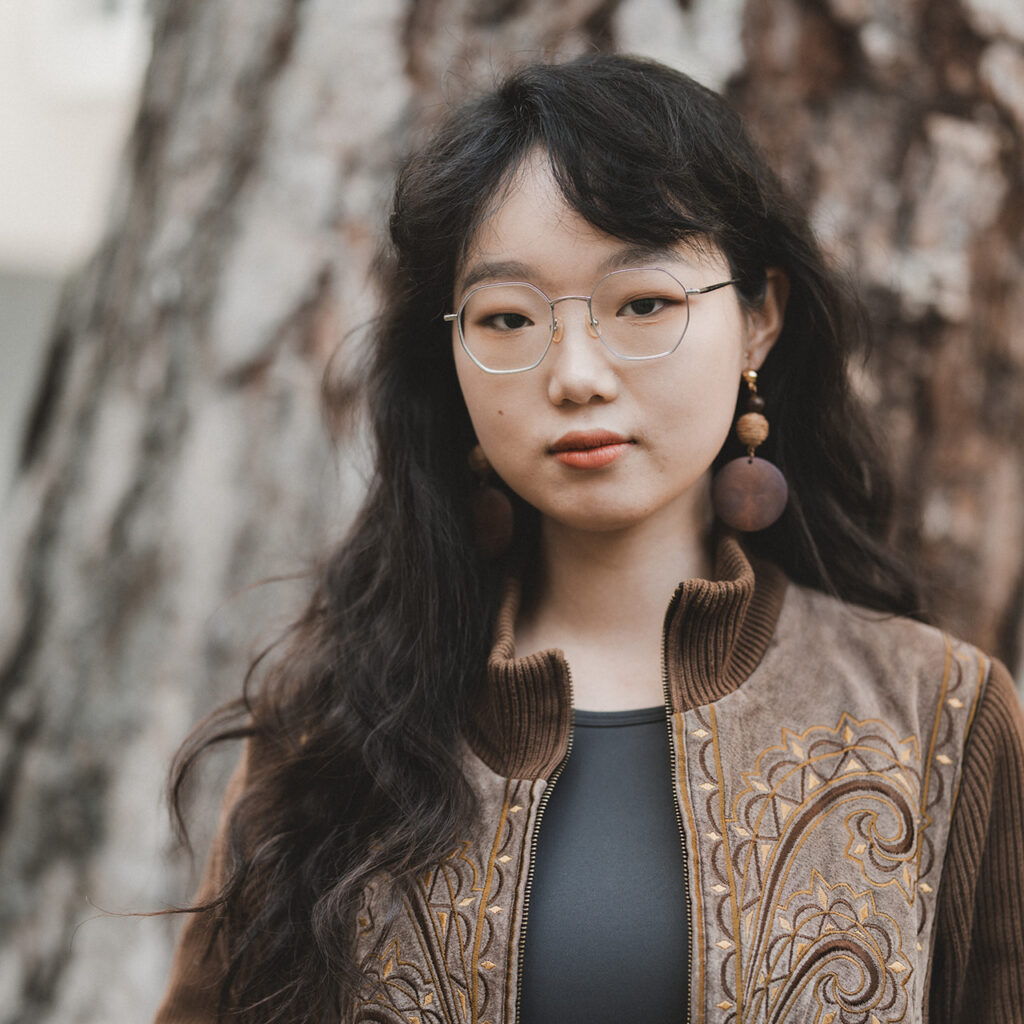
Yuwen Huang
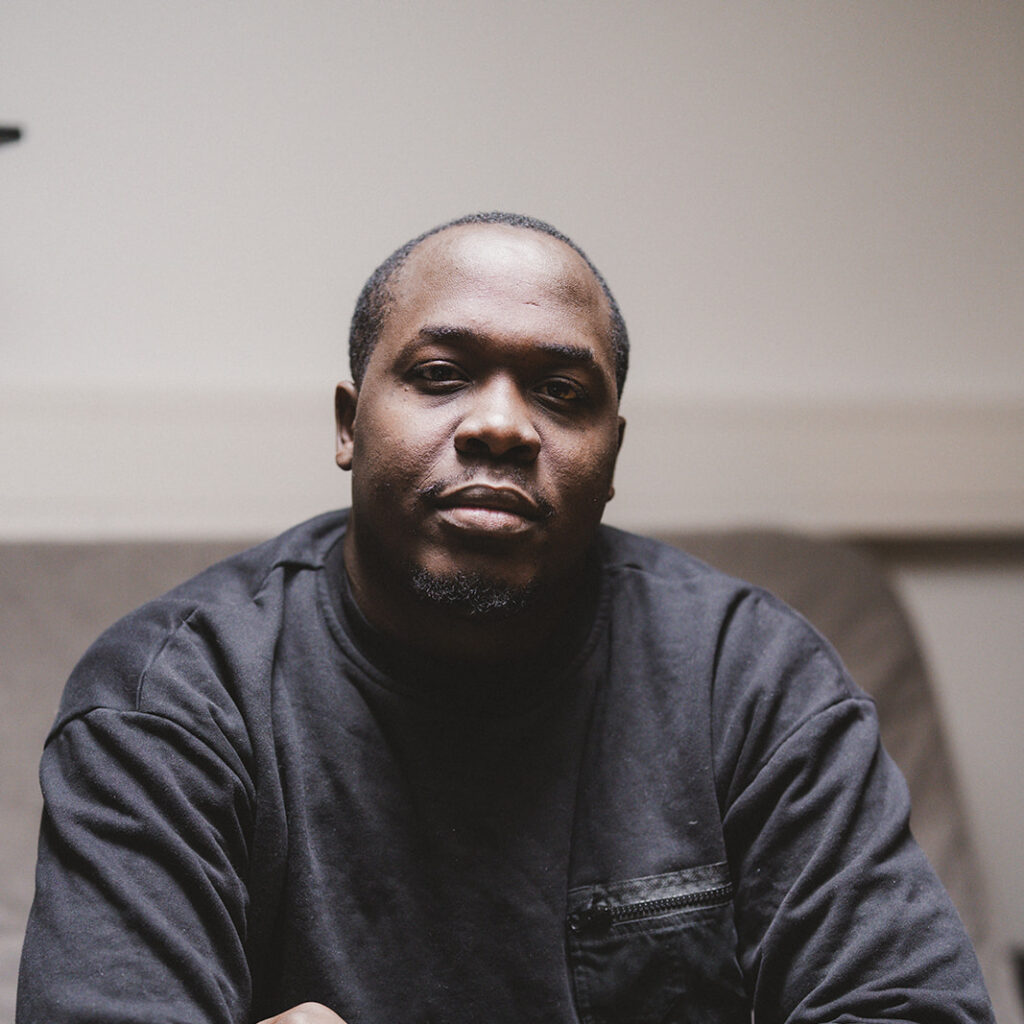
Walta Gabriel
gallery

thanks
Stadt Innsbruck, Land Tirol, VdFS – Verwertungsgesellschaft der Filmschaffenden, FAMA – Fachverband der Film- und Musikwirtschaft, Peter Paul Mölk and Julia Zraunig (Innsbruck Tourismus), Angelika Pagitz (Cine Tirol Film Commission), Roland Teichmann (ÖFI – Österreichisches Filminstitut), TKI – Tiroler Kulturinitiativen, Theater praesent and Dino Bossnini @dinobossnini for the amazing photos!
Special thanks to all experts and participants <3